2530 Centerville Turnpike S, Chesapeake, VA 23322

The Real Benefits of Crawl Space Encapsulation for Chesapeake VA Homes

Why Crawl Space Encapsulation Matters for Chesapeake VA Homes

Many homeowners don’t think about their crawl space until something goes wrong. Maybe there’s a musty smell that won’t go away, or the floors feel a little uneven. In coastal areas like Chesapeake, these problems are often tied to moisture under the home. That’s where crawl space encapsulation in Chesapeake VA becomes more than just a home improvement; it becomes a form of protection.

Encapsulation is designed to control the environment beneath your home. Instead of allowing outside air and moisture to move freely through the crawl space, the area is sealed and managed. This reduces long-term damage and helps keep the rest of the house stable and healthy.

What Causes Crawl Space Problems in Coastal Virginia?

Homes in Chesapeake and the surrounding Hampton Roads region deal with a unique mix of conditions. High humidity, frequent rain, and a naturally high water table all contribute to moisture buildup beneath homes.

When that moisture enters an open or vented crawl space, it doesn’t just sit there quietly. It seeps into wood framing, insulation, and subflooring. Over time, that leads to mold growth, wood rot, and even structural weakening.

According to the EPA, mold thrives in damp environments, especially when humidity remains elevated over long periods. That makes crawl spaces in coastal Virginia particularly vulnerable.

Encapsulation works by cutting off that moisture source and controlling humidity levels before damage can take hold.

Warning Signs Your Crawl Space Needs Attention

Most crawl space issues don’t start with standing water. They begin with subtle changes that are easy to overlook.

Some of the most common warning signs include:

  • Musty or earthy smells inside the home
  • Floors that feel soft, sagging, or uneven
  • Higher indoor humidity or condensation on windows
  • Visible mold or damp insulation under the home
  • Increased pest activity

These signs often point to ongoing moisture problems. Left unaddressed, they can affect air quality, energy efficiency, and structural integrity.

The Real Benefits of Crawl Space Encapsulation in Chesapeake VA

Encapsulation isn’t just about fixing a problem. It’s about preventing a chain reaction of issues that can spread throughout the home.

When done properly, crawl space encapsulation provides several long-term benefits:

Moisture Control: Sealing the crawl space keeps groundwater and humid air from entering, reducing the risk of mold and rot.

Improved Air Quality: A significant portion of the air inside your home comes from below. A dry, sealed crawl space means cleaner air throughout the house.

Energy Efficiency: Controlling humidity makes it easier to regulate indoor temperatures, which can reduce strain on HVAC systems.

Structural Protection: By preventing moisture damage, encapsulation helps preserve floor joists, beams, and supports.

Pest Prevention: A sealed environment is less inviting to insects and rodents that thrive in damp spaces.

If you want to learn more about how the process works, you can explore Hawk’s crawl space encapsulation Chesapeake VA service page for a detailed breakdown.

How Encapsulation Solves the Problem at the Source

Temporary fixes like fans or basic vapor barriers often don’t go far enough. They may reduce symptoms, but they don’t stop moisture from entering the space.

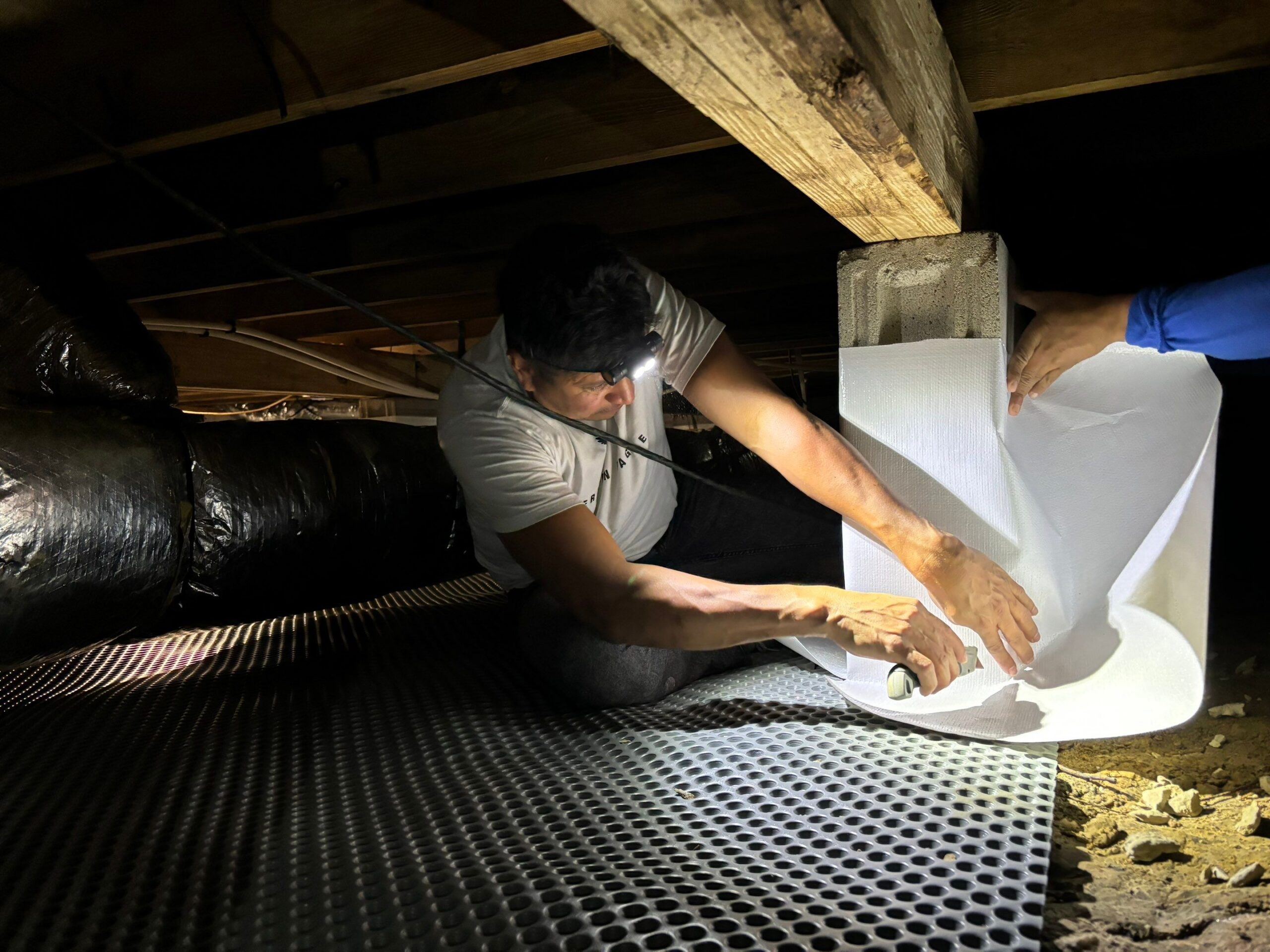
A full encapsulation system typically includes sealing the ground with a durable vapor barrier, closing vents, and controlling humidity with a dehumidifier. In some cases, drainage improvements are also needed to manage groundwater.

This approach addresses the root cause instead of just the visible effects. That’s why it tends to last longer and require less ongoing maintenance.

Homeowners who are already seeing signs of structural issues may also want to explore related services like foundation repair or a full crawl space inspection to catch any underlying damage early.

FAQ About Crawl Space Encapsulation

How long does crawl space encapsulation last?

A properly installed encapsulation system can last for many years. The longevity depends on materials used and whether moisture sources are fully addressed.

Does encapsulation increase home value?

It can. A dry, well-maintained crawl space is often viewed as a positive during inspections and can make a home more appealing to buyers.

Is crawl space encapsulation worth it in Chesapeake VA?

Given the region’s humidity and water table conditions, encapsulation is often one of the most effective ways to protect a home from long-term moisture damage.

Do I need a dehumidifier with encapsulation?

In most cases, yes. A dehumidifier helps maintain stable humidity levels inside the sealed crawl space.

If you’re noticing signs of moisture or structural issues, the best next step is a professional evaluation. Contact Hawk Crawlspace & Foundation Repair to schedule a free inspection and get a clear understanding of what your home needs.
Why Crawlspace Humidity Problems Are Common in Virginia Homes

Crawlspace humidity problems are one of the most common issues homeowners in coastal Virginia experience. Many homes in Chesapeake, Norfolk, and Virginia Beach were built with vented crawlspaces that allow outside air to move underneath the home. While that design was once considered standard practice, the climate in Hampton Roads often turns those crawlspaces into humid environments that trap moisture rather than release it.

Over time, that excess humidity can affect insulation, wooden framing, and even the air inside the home. Homeowners may notice musty odors, mold growth, or damp conditions under the house long before they see standing water. Understanding why crawlspace humidity develops and how to control it can help prevent more serious structural or moisture issues down the road.

Why Crawlspace Humidity Problems Are So Common in Coastal Virginia

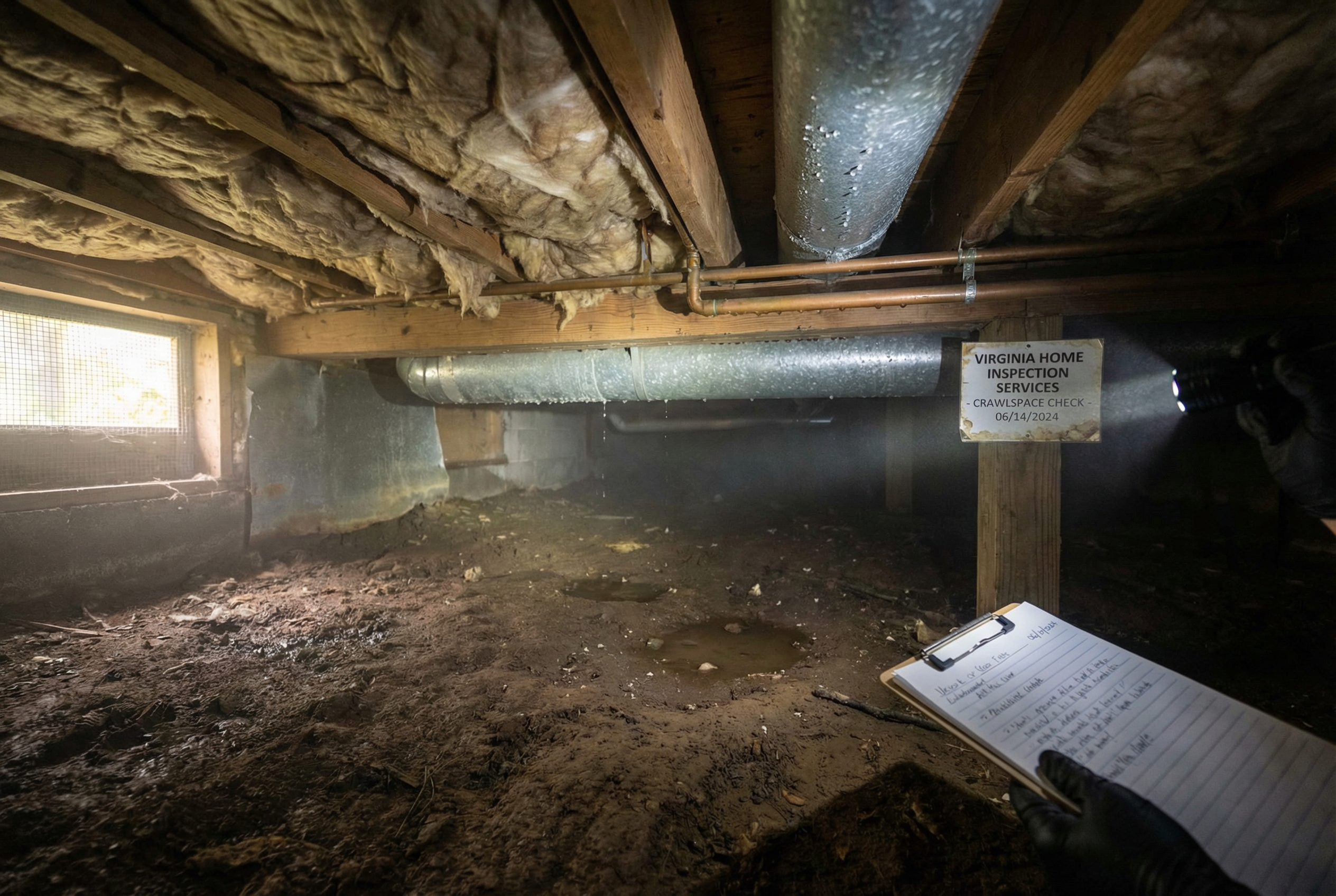
The Hampton Roads region sits in a humid coastal climate with long summers and frequent rainfall. When warm outdoor air enters a crawlspace through vents, it carries moisture with it. That air cools slightly once it moves under the home, which causes the humidity to condense on cooler surfaces such as floor joists, ductwork, and plumbing lines.

This process can repeat daily during the warmer months. Over time, the crawlspace air stays consistently humid, especially when the ground beneath the home is exposed soil. Moisture from the soil evaporates upward while humid outdoor air continues entering through vents.

Virginia’s clay-heavy soil can also contribute to crawlspace moisture. When the ground stays wet after rain, moisture slowly migrates into the crawlspace environment. According to the U.S. Department of Energy’s moisture control guidance, controlling ground moisture and humidity is one of the most important factors in maintaining a healthy crawlspace.

Without proper moisture control, humidity can remain trapped beneath the home for long periods of time.

Warning Signs of Crawlspace Humidity Problems

Many homeowners never enter their crawlspace, which means humidity problems often develop unnoticed. However, there are several signs that excess moisture may be building underneath the home.

A musty smell inside the house is one of the most common indicators. Air from the crawlspace can move upward through small gaps in flooring and framing. When that air carries moisture or mold spores, the smell often becomes noticeable indoors.

Another warning sign is insulation that appears damp or begins to sag between floor joists. High humidity can cause insulation to absorb moisture, reducing its effectiveness and allowing it to fall out of place.

Homeowners may also notice condensation on ductwork or plumbing pipes under the home. When humid air comes into contact with cooler metal surfaces, moisture forms quickly.

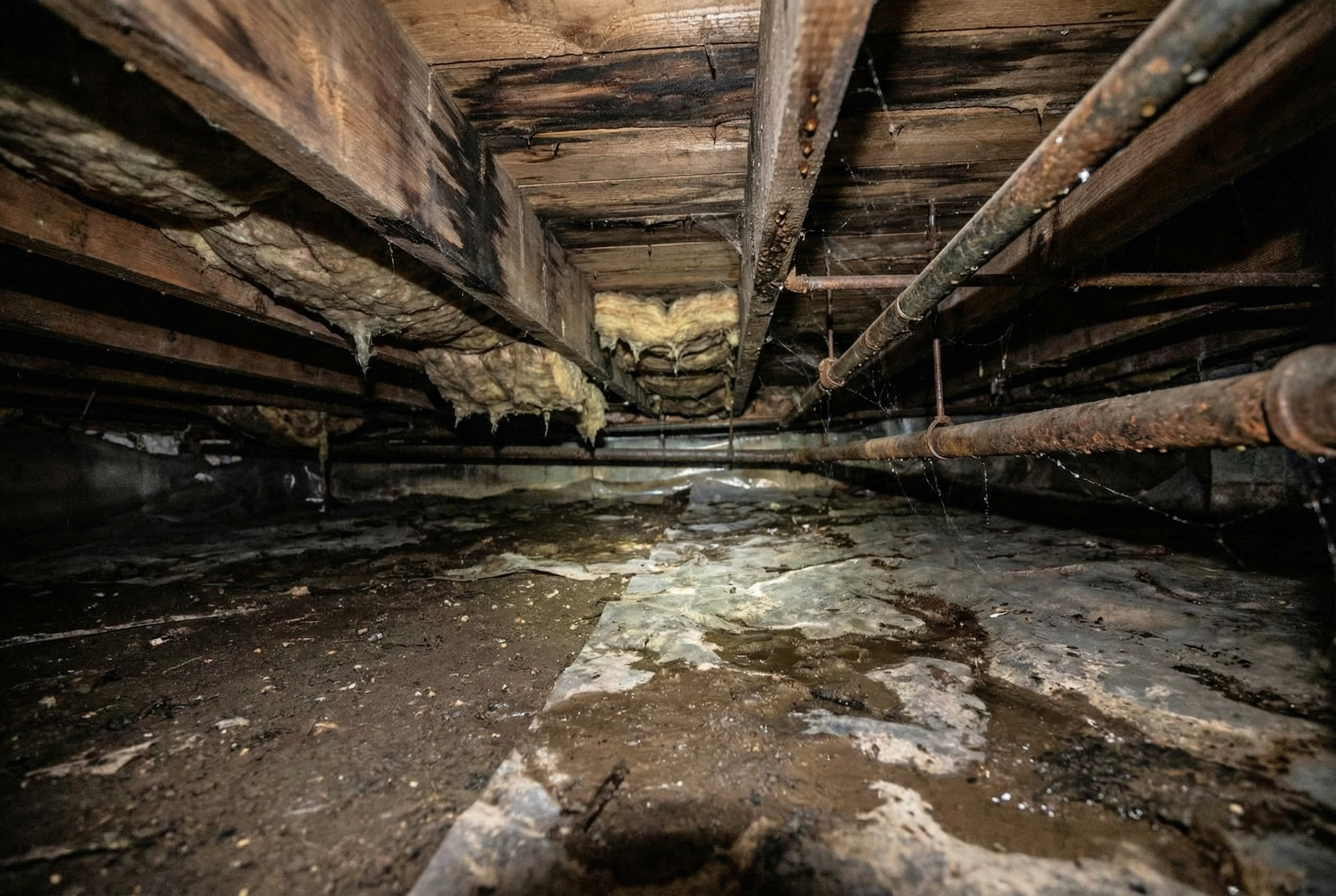
Over time, crawlspace humidity problems can also lead to visible mold growth on wooden framing. This does not always mean structural damage has occurred, but it does indicate the moisture level is consistently too high.

How Crawlspace Humidity Affects Your Home

Excess humidity under a house can influence more than just the crawlspace itself. The wooden framing that supports the home is particularly vulnerable to long-term moisture exposure. When wood remains damp, it becomes more susceptible to mold growth and gradual deterioration.

Humidity can also affect indoor air quality. Because crawlspaces share airflow pathways with the rest of the home, humid air can migrate upward into living spaces. This can make air conditioning systems work harder during summer months and may contribute to persistent indoor odors.

In some cases, long-term moisture issues can even contribute to minor structural movement. As wood absorbs moisture, it expands slightly. When conditions dry out, it contracts again. Over many seasonal cycles, that movement can affect floors and framing.

Solutions for Crawlspace Humidity Problems

The best solution for crawlspace humidity problems depends on the underlying cause and the overall condition of the crawlspace. In many Virginia homes, improving moisture control begins with addressing ground vapor and limiting the amount of humid air entering the space.

A vapor barrier installed over exposed soil is often the first step in controlling moisture. This barrier prevents ground moisture from evaporating into the crawlspace air.

For homes experiencing persistent humidity issues, a full crawlspace encapsulation system may provide a more effective long-term solution. Encapsulation seals the crawlspace from outside air while controlling moisture levels with specialized materials and ventilation strategies.

Additional drainage improvements or moisture management systems may also be recommended depending on the property. These services are typically evaluated during a professional inspection of the crawlspace.

Homeowners who suspect humidity problems beneath their home can learn more about available solutions through Hawk’s crawlspace services, which address moisture control and structural protection.

If humidity issues are already affecting the structure of the home, related services such as foundation repair may also be evaluated during the inspection process.

When to Schedule a Crawlspace Inspection

Humidity problems often develop slowly and can go unnoticed for years. Because crawlspaces are rarely inspected by homeowners, moisture issues may only be discovered during a home inspection or after indoor air quality concerns appear.

If you notice musty odors, damp insulation, or signs of mold under your home, it may be time to schedule a professional crawlspace inspection. Identifying the source of humidity early can help prevent more extensive moisture damage later.

Homeowners in Chesapeake and the surrounding Hampton Roads area can request a professional inspection through Hawk Crawlspace & Foundation Repair. An experienced contractor can evaluate the crawlspace, identify the cause of humidity, and recommend practical solutions to protect the home long term.

Frequently Asked Questions About Crawlspace Humidity Problems

What causes crawlspace humidity problems?

Crawlspace humidity problems are usually caused by humid outdoor air entering through vents, moisture evaporating from exposed soil, or poor drainage around the home. These factors are especially common in coastal Virginia.

Is humidity in a crawlspace dangerous?

High humidity can lead to mold growth, wood deterioration, and poor indoor air quality if left untreated for long periods. Addressing the issue early helps prevent more serious damage.

How can I reduce humidity in my crawlspace?

Solutions often include installing a vapor barrier, improving drainage, sealing vents, or installing a crawlspace encapsulation system depending on the situation.

Do all crawlspaces in Virginia have humidity issues?

Not every crawlspace has humidity problems, but homes in humid climates like Hampton Roads are more likely to experience them without proper moisture control systems.

Signs Your Crawlspace Has Moisture Problems in Virginia Homes

Crawlspace moisture problems are one of the most common issues homeowners face in coastal Virginia. In places like Chesapeake, Norfolk, and Virginia Beach, the combination of humid air, heavy rainfall, and clay-heavy soil creates the perfect conditions for moisture to collect beneath a home.

Many homeowners rarely enter their crawlspace, so problems can develop slowly without being noticed. By the time musty odors, sagging floors, or mold appear inside the home, moisture has often been present for months or even years.

Understanding the warning signs early can help you address the issue before it leads to structural damage or expensive repairs.

Why Crawlspace Moisture Happens in Hampton Roads

Homes in the Hampton Roads region are especially vulnerable to crawlspace moisture. Our climate brings high humidity for much of the year, and seasonal storms can quickly saturate the ground around a home.

When soil becomes saturated, water vapor rises into the crawlspace. At the same time, outdoor humidity can enter through foundation vents or gaps around the structure. Over time, that moisture builds up under the home.

Once moisture is present, it can lead to mold growth, wood rot, pest activity, and increased humidity throughout the house.

According to the U.S. Environmental Protection Agency, moisture control is a critical part of preventing mold growth inside homes. You can read more about how moisture contributes to indoor mold issues on the EPA website.

Because crawlspaces are often out of sight, the first clues usually appear elsewhere in the home.

Common Signs of Crawlspace Moisture Problems

Several warning signs may indicate moisture is collecting beneath your home.

One of the most noticeable signs is a persistent musty smell. If certain areas of your home smell damp or earthy, that odor is often coming from the crawlspace below.

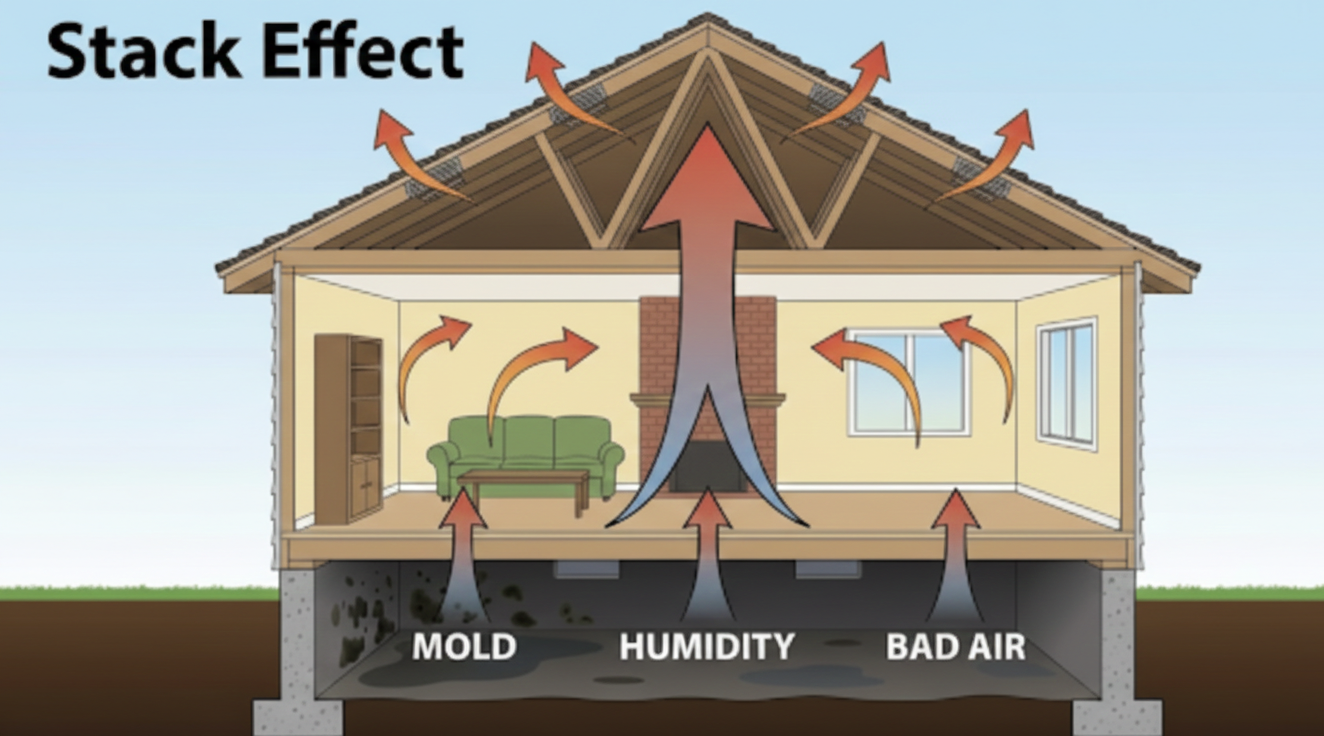
Another common sign is increased indoor humidity. When moisture accumulates under the house, it can rise into the living space through a process known as the stack effect.

Homeowners may also notice:

• condensation on ductwork or pipes in the crawlspace
• visible mold growth on wood framing
• standing water or muddy soil beneath the home
• sagging or uneven floors above the crawlspace
• deteriorating insulation under the floor system

These conditions indicate that moisture levels are higher than they should be and may continue worsening if the underlying cause is not addressed.

How Moisture Affects the Structure of Your Home

A crawlspace is part of the home’s structural system. Floor joists, beams, and support posts all depend on a stable environment to perform properly.

When moisture remains present for long periods, it can begin affecting the wood framing beneath the home. High humidity encourages mold growth and can eventually lead to wood rot.

Over time, this can weaken floor supports and contribute to issues such as sagging floors, shifting framing, or gaps around doors and windows.

Moisture also attracts pests like termites and carpenter ants, which are drawn to damp wood. In coastal Virginia, these conditions are particularly common in older homes that were built with vented crawlspaces.

Practical Ways to Address Crawlspace Moisture

If moisture is present beneath a home, the solution usually involves controlling both water intrusion and humidity levels.

Depending on the conditions, common solutions may include installing a vapor barrier, improving drainage around the foundation, sealing vents, or installing a crawlspace dehumidifier.

In many cases, homeowners choose crawlspace encapsulation, which seals the crawlspace environment and helps prevent outside moisture from entering. This approach creates a controlled, dry space beneath the home.

You can learn more about how this process works on Hawk’s crawlspace encapsulation service page.

For homes already experiencing structural symptoms, additional repairs may also be needed. Hawk provides foundation repair and structural solutions designed to stabilize the home and address underlying moisture issues.

When to Schedule a Crawlspace Inspection

If you notice any of the warning signs above, it may be time to have a professional evaluate the crawlspace.

A proper inspection can identify whether moisture is coming from groundwater, humidity, poor drainage, or other structural conditions. Catching the issue early often prevents more extensive repairs later.

Hawk Crawlspace & Foundation Repair serves homeowners across Chesapeake, Norfolk, and Virginia Beach with professional inspections and practical solutions designed for coastal Virginia conditions.

If you suspect crawlspace moisture problems, you can request a free professional inspection here:
https://hawkcrawlspaceandfoundationrepair.com/contact/

Addressing the problem early helps protect both your home’s structure and the air quality inside your living space.

FAQ

What causes crawlspace moisture problems?

Moisture often comes from groundwater, heavy rainfall, high humidity, or poor drainage around the foundation. In coastal Virginia, humid air entering through crawlspace vents is a common cause.

Is moisture in a crawlspace dangerous?

Moisture can lead to mold growth, wood rot, pest activity, and structural damage if it remains present for long periods. It can also increase humidity inside the home.

How do professionals fix crawlspace moisture issues?

Solutions often include vapor barriers, drainage improvements, dehumidifiers, and crawlspace encapsulation systems designed to control humidity and prevent water intrusion.

Should I inspect my crawlspace regularly?

Yes. Checking your crawlspace periodically can help identify crawlspace moisture problems, mold, or structural concerns before they develop into larger problems.

Why Spring 2026 Is the Right Time to Protect Your Foundation and Basement in Virginia

Why Spring 2026 Is the Right Time to Protect Your Foundation and Basement in Virginia

As we move into March here in Hampton Roads, homeowners across Chesapeake, Norfolk, and Virginia Beach are preparing for the heavy rains that tend to define our spring season. While the rain helps lawns and gardens, it also creates the most stressful conditions of the year for your home’s foundation.

Spring is when small foundation and moisture issues become visible. Addressing them now can prevent much larger repairs later.

1. Hydrostatic Pressure and Saturated Soil

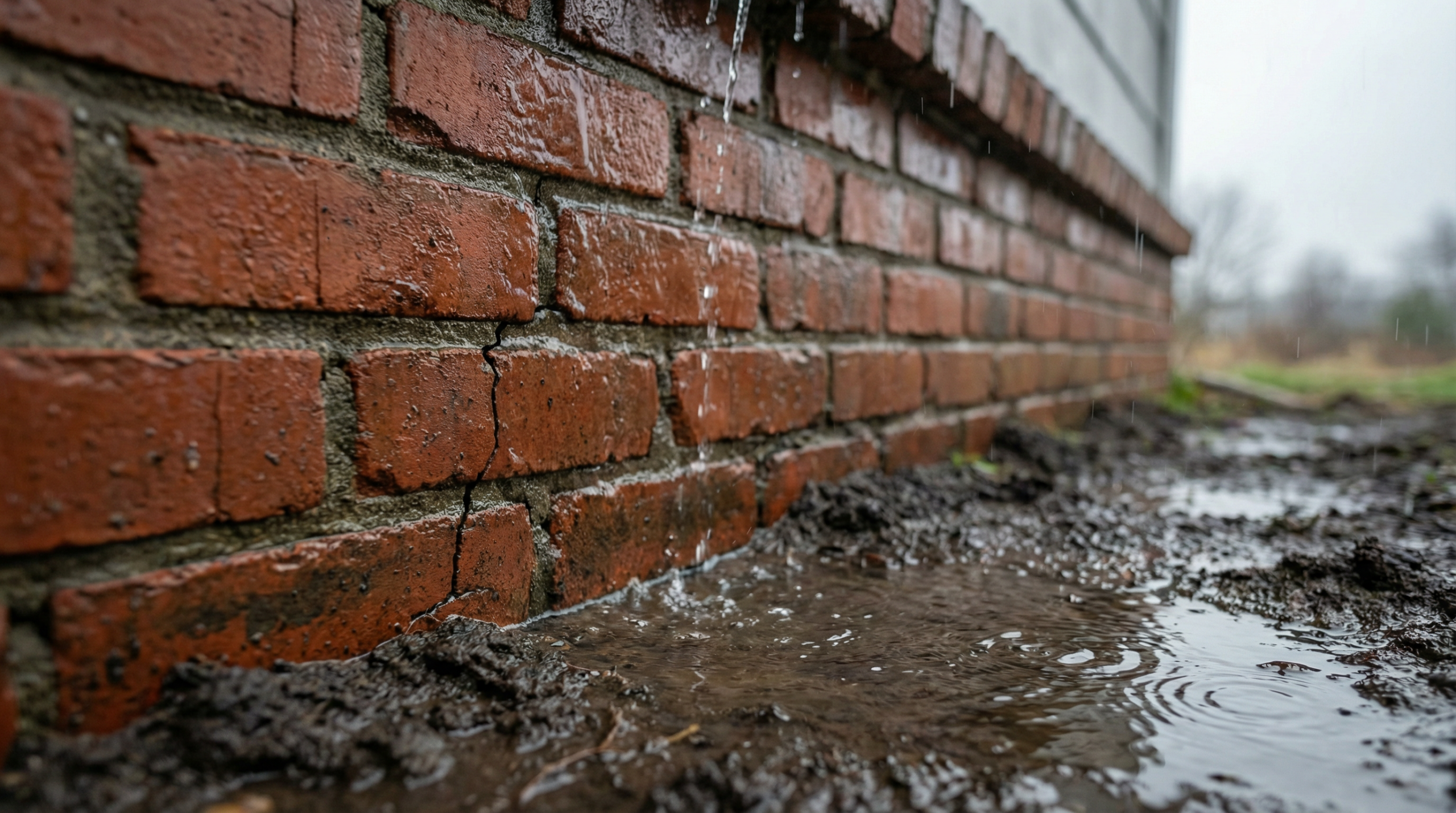
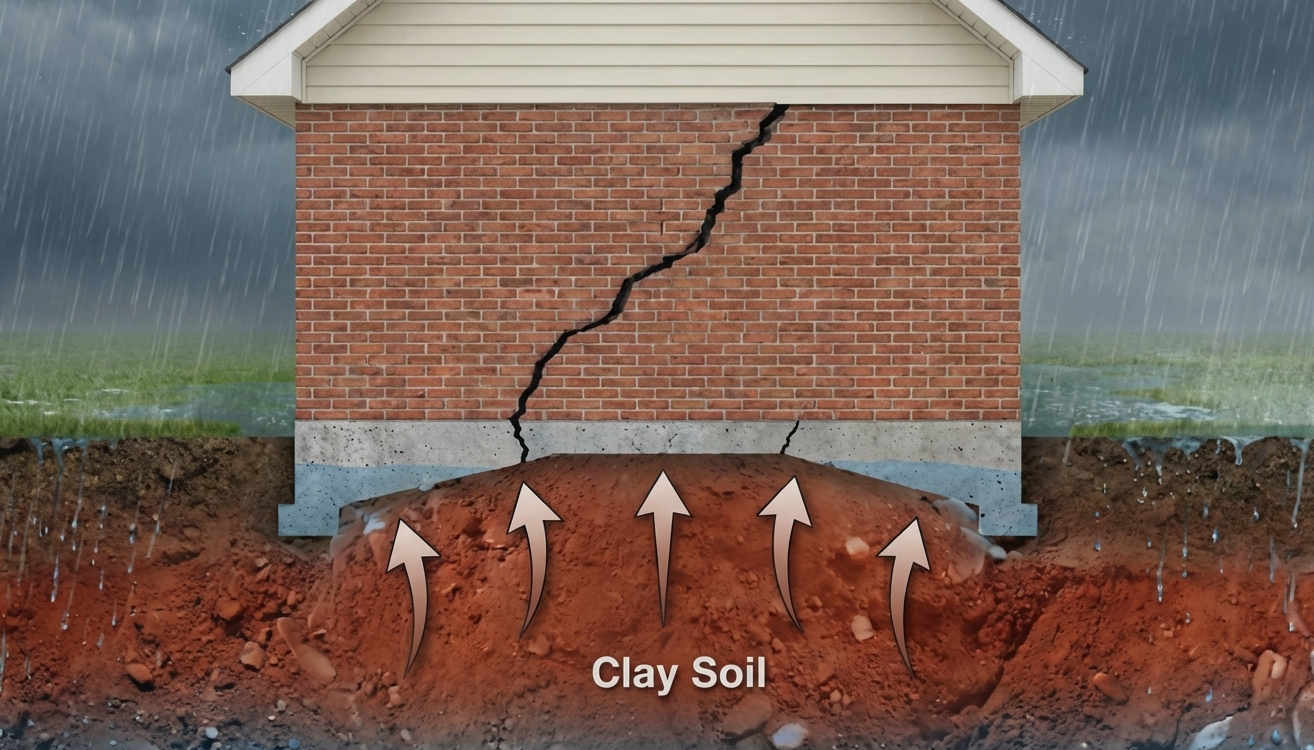
When prolonged rain saturates the clay-heavy soils common in our area, the ground expands and holds water against your foundation walls. This creates hydrostatic pressure, a steady force pushing inward against basement and crawlspace walls.

Over time, that pressure can:

  • Force water through hairline cracks
  • Exploit weak mortar joints
  • Contribute to wall movement or bowing
  • Worsen existing settlement issues

In crawlspaces and basements that aren’t properly waterproofed, spring rain is often when problems first show up.

2. Why Basement and Crawlspace Protection Matters

Water intrusion isn’t just about visible leaks. Persistent moisture affects your home in several ways:

  • Increased indoor humidity
  • Mold growth
  • Wood rot in framing members
  • Higher HVAC load
  • Declining structural stability over time

A properly installed vapor barrier system, drainage solution, sump pump, and dehumidifier work together to manage moisture before it causes damage.

Encapsulation and waterproofing are not cosmetic upgrades. They are structural maintenance decisions that protect the longevity of the home.

3. Foundation Warning Signs to Look For This Spring

Spring is a good time to walk through your home and check for subtle changes. Watch for:

  • Nail pops or small drywall cracks
  • Gaps forming around trim or crown molding
  • Doors or windows that suddenly stick
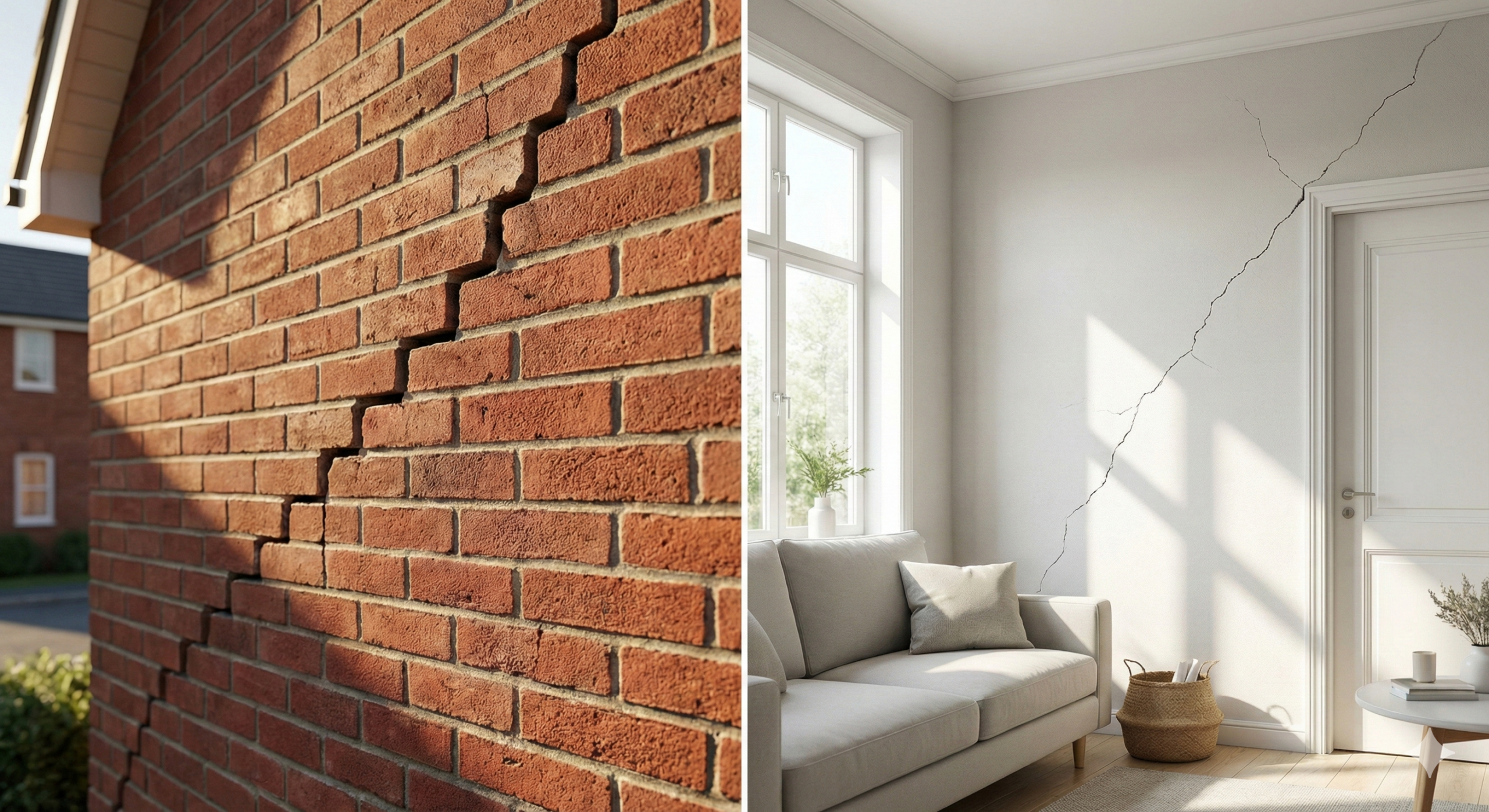
  • Stair-step cracks in brick veneer
  • New pooling water in your crawlspace or basement

These don’t automatically mean major structural failure, but they are signals that movement or moisture may be increasing.

Early intervention is always less invasive and less costly than waiting.

4. Protecting Your Home’s Equity

In the Hampton Roads real estate market, foundation and moisture issues are among the first things inspectors flag. Even minor problems can delay closings or trigger repair negotiations.

Maintaining a dry, stable crawlspace or basement protects more than comfort. It protects your home’s resale value and long-term durability.

The Hawk Approach

Hawk Crawlspace & Foundation Repair focuses on practical, proven solutions. As a veteran-owned company led by a Norfolk firefighter, our team approaches foundation and waterproofing work with a safety-first mindset and a long-term perspective.

Whether that means installing carbon fiber reinforcement, helical piers, interior drainage systems, or full crawlspace encapsulation, our goal is simple: address the root cause and build solutions that last.

If you’ve noticed signs of moisture or structural movement this season, spring is the right time to schedule a professional inspection.

Call 757-908-2362 to schedule a free evaluation, or visit https://hawkcrawlspaceandfoundationrepair.com to request your FREE 2026 spring inspection.

Basement Leak Repair: How to Stop Water Before It Ruins Your Finished Space

For many homeowners in Virginia, a finished basement adds valuable living space—whether it’s a family room, guest suite, or home office. But when water starts getting in, even a small leak can turn into a big problem. Professional basement leak repair helps prevent mold, material damage, and long-term structural concerns.

At Hawk Crawlspace & Foundation Repair, we regularly help homeowners across Chesapeake and the greater Hampton Roads area diagnose and fix basement water issues. Some leaks are preventable, and even persistent water problems can usually be controlled with the right waterproofing approach. The key is understanding why basements leak and addressing the issue early.

Why Basements Leak in Virginia Homes

What Is Hydrostatic Pressure?

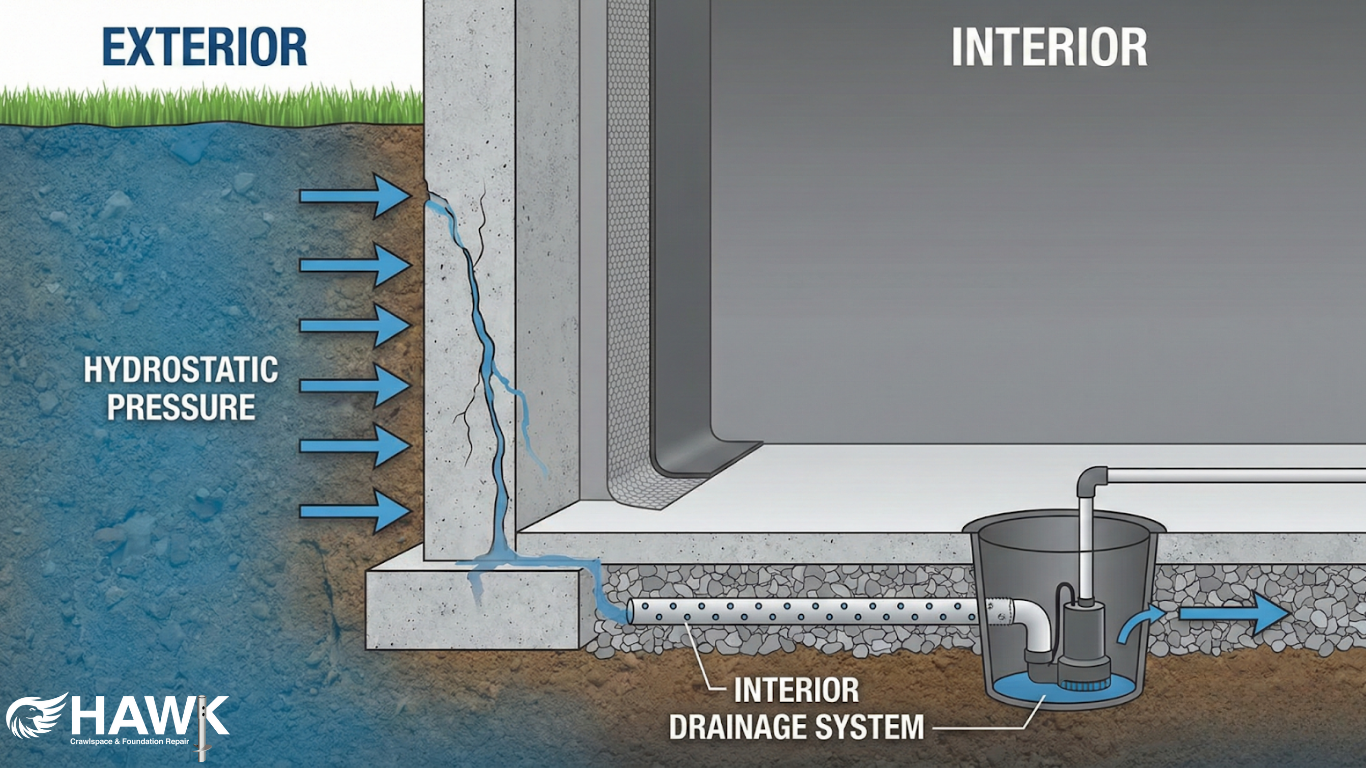
After heavy rain, snowmelt, or during periods of high groundwater, the soil around your foundation becomes saturated. That water creates constant pressure against your basement walls and floor—a force known as hydrostatic pressure.

Basement walls are not designed to be completely waterproof. When pressure builds, water will exploit any weak point it can find, including cracks, joints, and porous concrete. Over time, this pressure can turn a dry basement into a damp, musty space.

Common Causes of Basement Leaks

Wall Cracks

Even small, hairline cracks can allow water to seep through when pressure builds outside the foundation. Larger cracks caused by settlement or movement are especially vulnerable.

Floor Cracks

Water can sometimes push up through cracks in the basement floor, typically a sign of significant groundwater pressure beneath the slab.

Cove Joint Leaks

The cove joint—the seam where the basement wall meets the floor—is one of the most common entry points for water. This joint naturally flexes slightly and is often the first place leaks appear.

Window Wells

Poor drainage around basement window wells can allow water to collect and press against the window frame or surrounding foundation wall.

Pipe Penetrations

Any location where plumbing or utility lines pass through the foundation can become a leak point if the surrounding seal fails.

Basement Waterproofing Solutions That Work

Interior Drainage Systems (French Drains)

For many Virginia homes, an interior drainage system is the most effective long-term solution. A perimeter drain is installed just below the basement floor to collect water that enters through walls or the cove joint. That water is then directed to a sump pump and safely discharged away from the foundation.

This approach manages groundwater pressure rather than fighting it, helping keep basements dry year-round.

Sump Pump Installation & Backup Systems

A sump pump is the heart of any interior waterproofing system. We install reliable, high-quality pumps designed to handle heavy groundwater conditions. Battery backup systems are often recommended to keep the pump running during power outages, when water problems are most likely to occur.

Basement Crack Repair

Crack repair using professional injection materials can effectively seal many non-structural wall cracks. If cracks are caused by ongoing movement, stabilization may be required before waterproofing solutions are applied.

Exterior Waterproofing (When Necessary)

In certain situations, exterior waterproofing may be recommended. This involves excavating around the foundation, applying a waterproof membrane, and installing exterior drainage. While more invasive, it can be the right solution for severe exterior water intrusion issues.

Why You Shouldn’t Ignore a Basement Leak

Ignoring a basement leak—no matter how small—often leads to bigger problems. Ongoing moisture can cause mold growth, damage finished materials, and contribute to foundation deterioration. Left unaddressed, these issues can reduce your home’s value and increase repair costs over time. Professional basement leak repair addresses the source of the problem instead of just managing symptoms.

Basement Leak Repair: Get a Free Inspection in Chesapeake & Hampton Roads

As a local, veteran-owned company led by a Norfolk firefighter, Hawk Crawlspace & Foundation Repair takes a practical, safety-first approach to basement waterproofing and foundation repair. We focus on identifying the true source of the problem and recommending solutions that make sense for your home.

If you’ve noticed damp spots, musty odors, or water intrusion in your basement, don’t wait for the problem to worsen. Contact Hawk Crawlspace & Foundation Repair for a free, no-obligation inspection and expert guidance.

Call 757-908-2362 or visit our homepage to schedule your inspection today.

Planning an Addition? Why Helical Piers Beat Concrete Footings in Hampton Roads


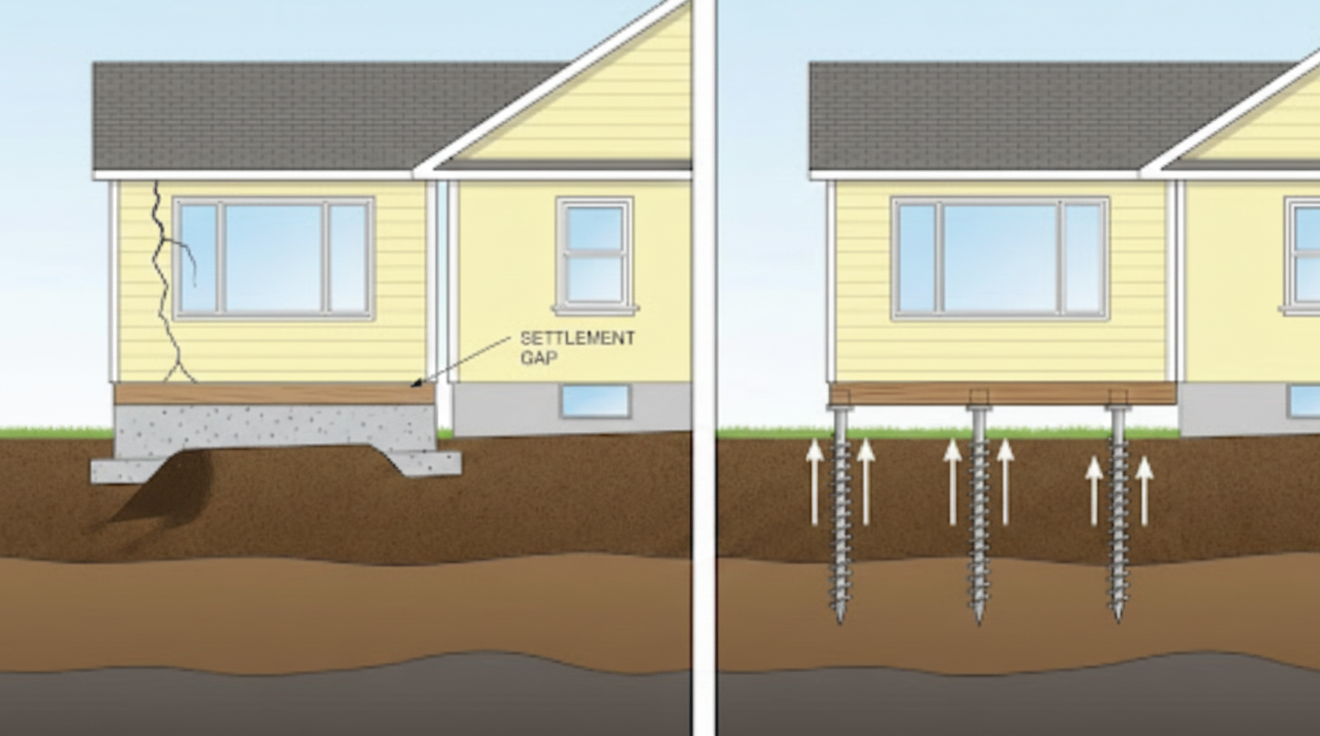
Are you planning to add a sunroom or a master suite to your Chesapeake home? Before you pour a single yard of concrete, you need to consider the “settlement gap.” In Hampton Roads, standard concrete footings are often insufficient for new additions, leading to the new structure pulling away from the original home within just a few years.


The Problem with Shallow Footings

Standard footings sit in the “active zone” of the soil—the top few feet where moisture levels fluctuate. Because your original home has had decades to settle, and your new addition is fresh, they will settle at different rates. This leads to cracked drywall and leaking roofs where the two structures join.


The Helical Pier Advantage: Prevention over Cure

Helical piers are steel shafts with screw-like plates that are bored deep into the ground until they reach stable, load-bearing strata.

  • Deep Anchor: They bypass the “active” clay soil entirely.
  • One-Day Installation: We can often install the piers for a new addition in a single day.
  • Immediate Loading: Unlike concrete, which needs days to cure, helical piers can support weight immediately.


By choosing helical piers for your addition, you are ensuring that your new space remains perfectly level with your original home for the life of the structure. It is the ultimate “Prevention over Cure” investment for any Hampton Roads homeowner.


A Firefighter’s Guide to Structural Safety Precision in the “Rescue” Mentality


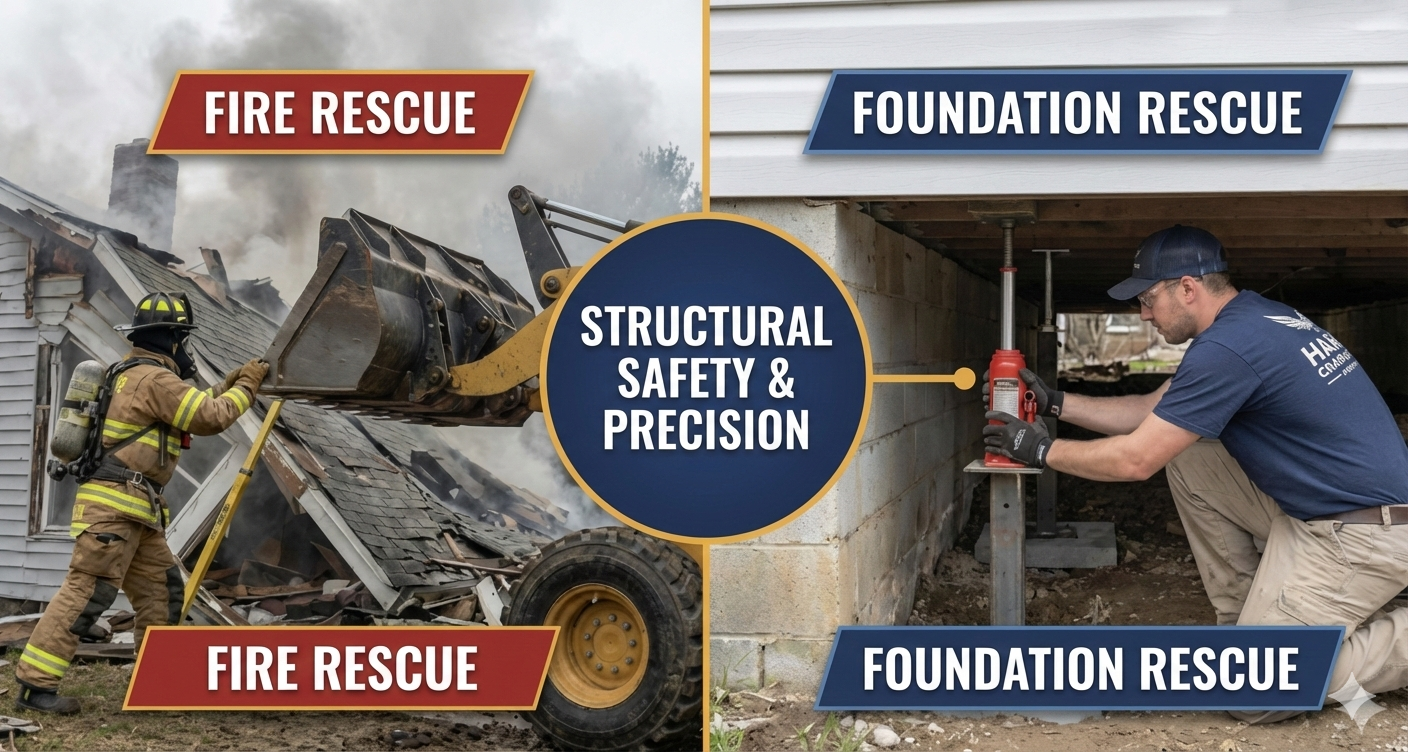
When you hire a foundation contractor, you are trusting someone with the very skeleton of your home. At Hawk Crawlspace and Foundation Repair, that trust is built on a foundation of service. Our owner, Robert Brant, spent 21 years as a Norfolk Fire Captain, and that experience defines every “rescue” we perform on a sinking home.


The Technical Rescue Lens

In the fire service, a “Technical Rescue” involves stabilizing a collapsed or burning structure to make it safe for entry. It requires an obsession with physics, load-bearing points, and structural integrity under duress. Robert brings this same “Safety First” mentality to residential repair.

While a standard contractor might look for the quickest fix, a firefighter looks for the safest and most permanent solution. We view a sagging floor or a cracked foundation not just as a job, but as a structure in need of stabilization.


A Culture of Excellence

This background has fostered a unique culture within our team:

  • Precision: We measure in fractions of an inch, not “close enough.”
  • Integrity: We provide honest assessments, even if the “fix” is simpler than you feared.
  • Service: We treat your home with the respect it deserves, knowing it is your family’s primary sanctuary.


When your home is in trouble, you don’t just need a contractor—you need a team trained to stabilize the situation with the precision of a rescue operation.


The Stack Effect: Why 50% of Your Indoor Air Comes from the Crawlspace


Most homeowners think of their crawlspace as a dark, isolated void that has nothing to do with their living room. In reality, your home functions like a giant chimney. This thermodynamic phenomenon is known as the Stack Effect, and it plays a massive role in your family’s health and your monthly energy bills.


How the Stack Effect Works

As the air inside your home warms up, it becomes less dense and rises, eventually escaping through the attic and upper-floor windows. To replace that lost air, your home creates a vacuum, pulling “replacement air” inward from the lowest point: the crawlspace.

In Chesapeake’s humid climate, that air is often laden with:

  • Mold Spores: Thriving in the damp, dark environment beneath your floorboards.
  • High Humidity: Making your AC work twice as hard to keep the upstairs comfortable.
  • Allergens and Soil Gases: Including odors that linger in your carpets and upholstery.


Healthy Home, Ground Up

Our mission at Hawk is Indoor Air Quality Improvement. By encapsulating your crawlspace, we effectively “seal the bottom of the chimney.” This ensures that the air being pulled into your living space is clean, dry, and filtered, rather than a byproduct of a damp ecosystem. A healthy home doesn’t start in the kitchen or the bedroom; it starts from the ground up.


Cracks in the Wall? 5 Signs Your Foundation Needs Immediate Repair


Every house “settles.” As the soil beneath your home shifts with the changing Virginia seasons—from our humid summers to our wet winters—it is normal for the structure to adjust slightly. However, there is a very fine line between natural settling and a foundation failure that threatens your home’s safety and value.

At Hawk Crawlspace & Foundation Repair, we see homeowners every day who aren’t sure if that new crack in the living room is a cosmetic nuisance or a structural emergency. To help you protect your biggest investment, we’ve put together the five most critical signs that your foundation needs professional attention.


  1. The Dreaded “Stair-Step” Crack

If you have a brick or concrete block exterior, pay close attention to the joints. A vertical crack might just be a sign of minor expansion, but a stair-step crack—one that follows the mortar lines up and across like a set of stairs—is a major red flag. This usually indicates that one corner of your home is sinking faster than the rest, a process known as differential settlement.


  1. Doors and Windows That “Stick”

Have you noticed a door that suddenly won’t latch? Or a window that requires two people to pry open? When your foundation shifts, it pulls the house’s frame out of “square.” Even a fraction of an inch of movement can warp a door or window frame, causing it to stick. If you see diagonal cracks radiating from the upper corners of these frames, the house is literally pulling itself apart at its weakest points.


  1. Horizontal Cracks in the Basement or Crawl Space

In the world of basement crack repair, not all cracks are created equal. Vertical cracks are often caused by the concrete shrinking as it cures. However, horizontal cracks are much more serious. These are typically caused by hydrostatic pressure—the weight of water-saturated soil pushing against your foundation walls. If left untreated, these walls can eventually “bow” inward or collapse entirely.


  1. Sloping or Bouncy Floors

Your floors should be level. If you feel like you’re walking slightly “downhill” in the kitchen, or if you notice a gap between your baseboards and the floor, your support system is failing. In many Virginia homes, this is caused by moisture in the crawl space weakening the wooden floor joists. We often remedy this using foundation jacks to provide the necessary lift and stabilization.


  1. Separating Chimneys or Porches

Because chimneys and porches are often built on a separate foundation “pad” from the rest of the house, they are often the first things to show signs of trouble. If you see a gap forming between your chimney and the siding, or if your front porch seems to be pulling away from the main structure, the soil underneath is no longer supporting the weight.


Why You Can’t Afford to Wait

Foundation problems are like a toothache—they never get better on their own, and the “medicine” only gets more expensive the longer you wait. A small crack today can be fixed with basement waterproofing or simple injections. A foundation that has shifted two inches may require helical pier installation to pin the house to stable bedrock.


Get a Professional Perspective

At Hawk Crawlspace & Foundation Repair, we believe in honesty first. Not every crack needs a $20,000 fix. Sometimes, all you need is better gutter drainage or a vapor barrier. But you won’t know until an expert takes a look.

As a local company led by a Norfolk Firefighter, we treat your home’s safety with the same urgency we treat our own. We offer free, no-obligation inspections across Chesapeake and Hampton Roads.

Is your home trying to tell you something? Don’t ignore the signs. Call Hawk Crawlspace & Foundation Repair at 757-908-2362 or click HERE to schedule your free inspection today.

The Chesapeake Clay Cycle: How Regional Soil Impacts Foundation Integrity


If you live in Chesapeake or Suffolk, you aren’t just living on dirt; you’re living on a geological sponge. The Tidewater region is notorious for its high concentration of expansive clay. For homeowners, this soil creates a relentless “swell-and-shrink” cycle that acts as a slow-motion wrecking ball for traditional shallow foundations.


The Science of “Soil Heave”

When our heavy Virginia rains arrive, the clay particles in the ground absorb water and expand significantly. This creates hydrostatic pressure—a massive force of water-saturated soil pushing against your crawlspace walls. When the soil expands upward, it’s known as “soil heave.” Conversely, during our humid but dry summer stretches, the clay shrinks, leaving voids beneath your footings.


The Signature of Damage

This constant movement is more than the house “settling.” It is structural fatigue. You’ll often see the evidence in your home’s exterior:

  • Diagonal “Step” Cracks: These typically appear in brickwork, following the mortar lines in a stair-step pattern.
  • Sticking Doors and Windows: When the foundation shifts, the frames become trapezoids rather than rectangles.
  • Gaps in Trim: Crown molding or baseboards pulling away from the wall.


At Hawk Crawlspace and Foundation Repair, we understand that you can’t change the soil, but you can change how your home interacts with it. By stabilizing your foundation with deep-foundation solutions, we help your home remain “the rock” even when the ground beneath it is anything but.