Chesapeake Waterproofing: How to Protect Your Home from Moisture Damage
Chesapeake waterproofing is an important part of protecting homes in coastal Virginia from moisture damage. Between heavy rainfall, high humidity, low-lying areas, and soil that holds water after storms, many homes in Chesapeake face ongoing moisture pressure around the crawlspace, basement, or foundation.
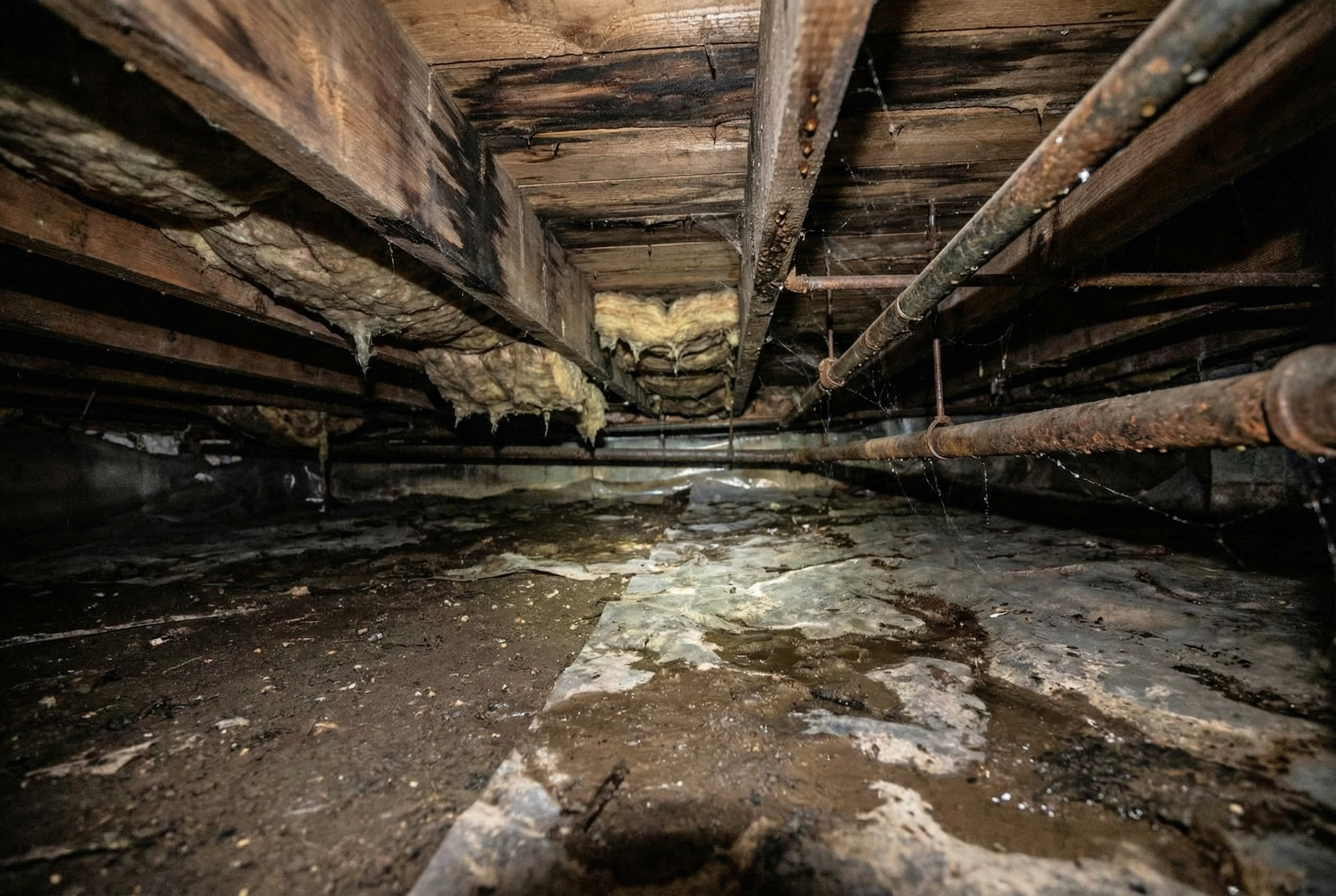
If you’ve noticed a musty smell indoors, condensation on pipes under the house, damp insulation, or standing water where it should not be, you are not alone. These are common issues for homeowners throughout Hampton Roads. Understanding what causes them is the first step toward choosing the right solution.
Why Chesapeake Homes Are Vulnerable to Moisture
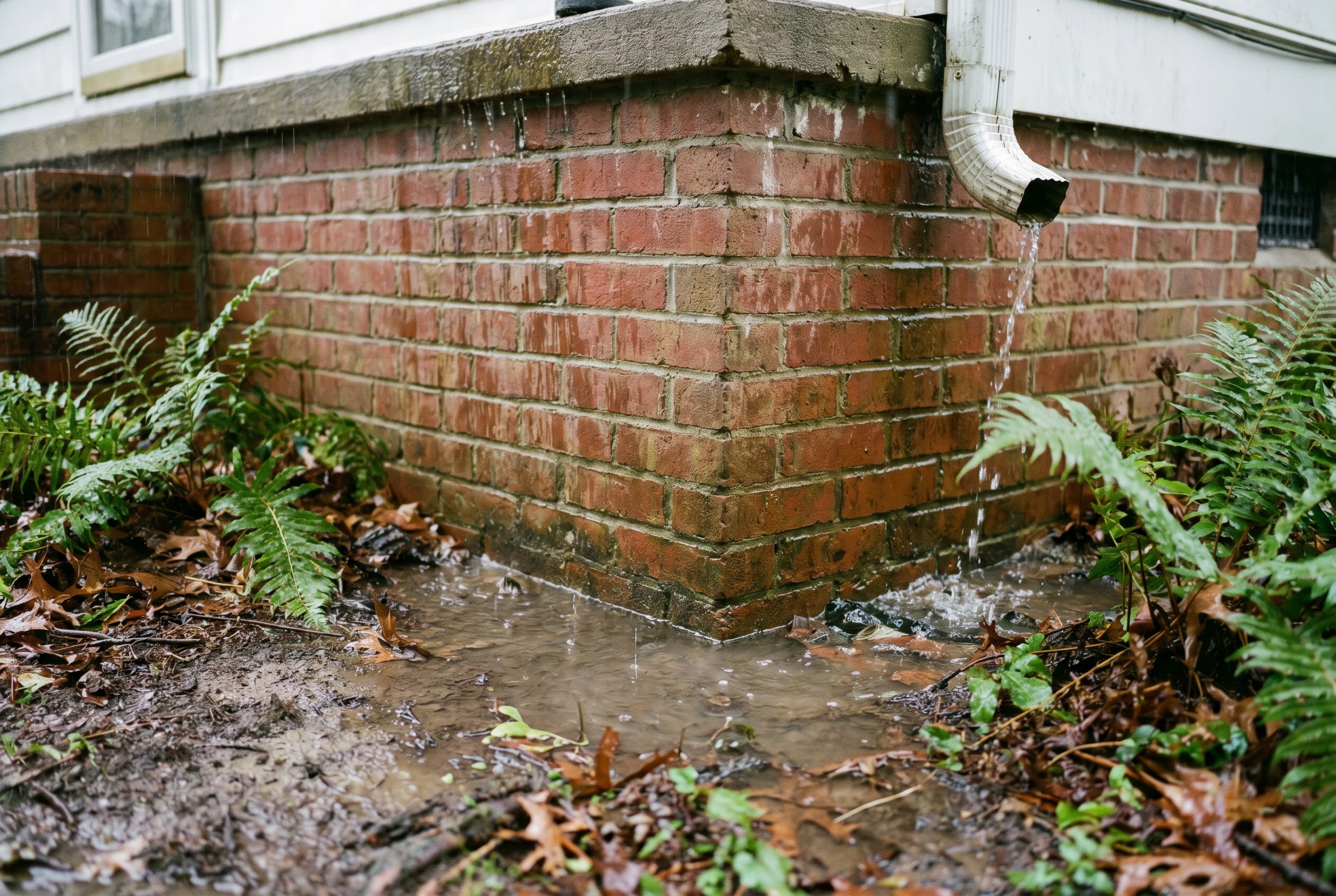
Chesapeake’s coastal climate creates conditions that make moisture problems more likely. Rainwater can collect around the foundation, humid air can move into vented crawlspaces, and damp soil can release moisture upward into the space beneath the home.
NOAA/NCEI Climate Normals data from weather stations around the Chesapeake area show average annual precipitation of around 51 inches. Combined with coastal humidity, low-lying terrain, and moisture-retaining soil, that rainfall helps explain why waterproofing is such an important concern for local homeowners.
When the soil around a foundation becomes saturated, water can press against basement or foundation walls. This pressure may force moisture through small cracks, gaps, or porous materials. In crawlspace homes, moisture can also rise directly from exposed soil and collect on wood framing, insulation, ductwork, and pipes.
Older homes may be especially vulnerable if drainage systems are outdated, crawlspace vents remain open year-round, or no vapor barrier is installed. Over time, these conditions can lead to mold growth, wood rot, poor indoor air quality, and structural concerns.
Warning Signs of a Waterproofing Problem
Some moisture problems are obvious, but others develop slowly. A homeowner may notice symptoms inside the home before ever seeing the crawlspace or basement.
Common warning signs include musty odors, standing water in the crawlspace, damp or falling insulation, visible mold, foundation cracks, water stains on basement walls, or white mineral deposits on masonry. Floors that feel soft, uneven, or unusually cold can also point to moisture issues beneath the home.
These symptoms do not always mean there is a major structural problem, but they do mean the home should be evaluated. Moisture rarely improves on its own, and small issues can become more expensive when they are ignored.
Waterproofing Solutions for Chesapeake Homes
The right waterproofing solution depends on where the moisture is coming from. A wet basement may need a different approach than a vented crawlspace with high humidity. That is why a professional inspection is important before deciding on a repair plan.
Crawlspace Encapsulation
Crawlspace encapsulation is one of the most effective ways to manage moisture beneath a home. The process typically includes sealing the crawlspace floor and walls with a durable vapor barrier, closing or sealing outside air entry points, and adding moisture control equipment when needed.
For many Chesapeake homes, encapsulation helps turn a damp crawlspace into a cleaner, drier, more controlled environment. It can reduce humidity, limit mold growth, protect wood framing, and improve the comfort of the living space above.
Interior Drainage Systems
When water is actively entering a basement or crawlspace, an interior drainage system may be needed. These systems collect water and direct it to a sump pump, where it can be moved safely away from the home.
This approach is often helpful for homes that experience recurring water intrusion during heavy rain or prolonged wet weather.
Sump Pump Installation
A sump pump is often a key part of a waterproofing system. It removes collected water before it can pool beneath the home or damage finished basement areas. In storm-prone areas, battery backup systems can provide added protection during power outages.
Vapor Barriers and Moisture Control
Even when there is no visible standing water, ground moisture can still create problems. A properly installed vapor barrier helps block moisture from rising out of the soil and into the crawlspace air.
Vapor barriers are often part of a larger crawlspace waterproofing strategy that may also include drainage improvements, dehumidification, and insulation updates.
Foundation Crack Repair
Cracks in poured concrete or block foundation walls can become entry points for water. Repairing these cracks and identifying the cause can help prevent water intrusion and protect the structure. If you’ve noticed cracks forming in your foundation, it is worth having them evaluated before they worsen.
Why Waterproofing Is Worth Addressing Early
Waterproofing is about more than keeping an area dry. Moisture beneath a home can affect wood framing, insulation, indoor air quality, and the long-term stability of the structure. Left alone, water in the crawlspace or basement can contribute to mold, rot, and foundation deterioration. The U.S. Environmental Protection Agency recommends controlling moisture as a key step in preventing mold growth indoors. For homes with crawlspaces or basements, that makes waterproofing and moisture control an important part of long-term home maintenance.
A dry, well-maintained crawlspace or basement can also make a home easier to maintain and more appealing during a future inspection or sale. Buyers and inspectors pay attention to moisture issues, especially in regions like Hampton Roads.
Frequently Asked Questions About Chesapeake Waterproofing
How do I know if I need crawlspace waterproofing or full encapsulation?
It depends on the severity of the moisture problem and the condition of the crawlspace. Minor moisture issues may be improved with a vapor barrier and drainage corrections. More persistent problems, including high humidity, mold, or standing water, often require a more complete encapsulation system.
Does foundation waterproofing in Chesapeake, VA require exterior excavation?
Not always. Many waterproofing solutions, including interior drainage systems, sump pumps, vapor barriers, and encapsulation, can be installed from inside the home or crawlspace. Exterior work may be needed in some cases, but it depends on the source of the problem.
How long does crawlspace encapsulation last?
A properly installed crawlspace encapsulation system can last for many years when quality materials are used and the system is maintained. Components like sump pumps and dehumidifiers may require routine service or replacement over time.
Can waterproofing help lower energy bills?
In some homes, yes. Moisture and humidity can make a home harder to heat and cool. Encapsulation and moisture control can help create a more stable environment beneath the home, which may reduce strain on the HVAC system.
Get a Free Waterproofing Inspection in Chesapeake
If you are concerned about moisture beneath your home, Hawk Crawlspace & Foundation Repair offers free inspections for homeowners throughout Chesapeake and the surrounding Hampton Roads communities. Our team can evaluate your crawlspace, basement, or foundation, explain what we find, and recommend practical solutions based on your home’s needs.
Contact Hawk Crawlspace & Foundation Repair today to schedule your inspection and take the first step toward a drier, healthier home.