
Crawl Space Mold Removal: What It Involves and What to Expect
If you’ve found mold in your crawl space, the instinct is usually to want it gone as fast as possible. That’s reasonable. But mold remediation in a crawl space is a more involved process than scrubbing down a bathroom wall, and understanding what it actually takes helps you ask the right questions, set the right expectations, and avoid the trap of a cheap fix that doesn’t actually solve anything.
This post walks through what crawl space mold removal involves, why it’s different from surface mold cleanup elsewhere in the house, and what has to happen after the mold is gone to keep it from coming back.
Why Crawl Space Mold Is a Different Problem Than Mold Elsewhere in the House
Mold shows up in bathrooms, around windows, and in basements, and in most of those cases it’s a surface problem you can address with cleaning and improved ventilation. Crawl space mold is different for a few reasons.
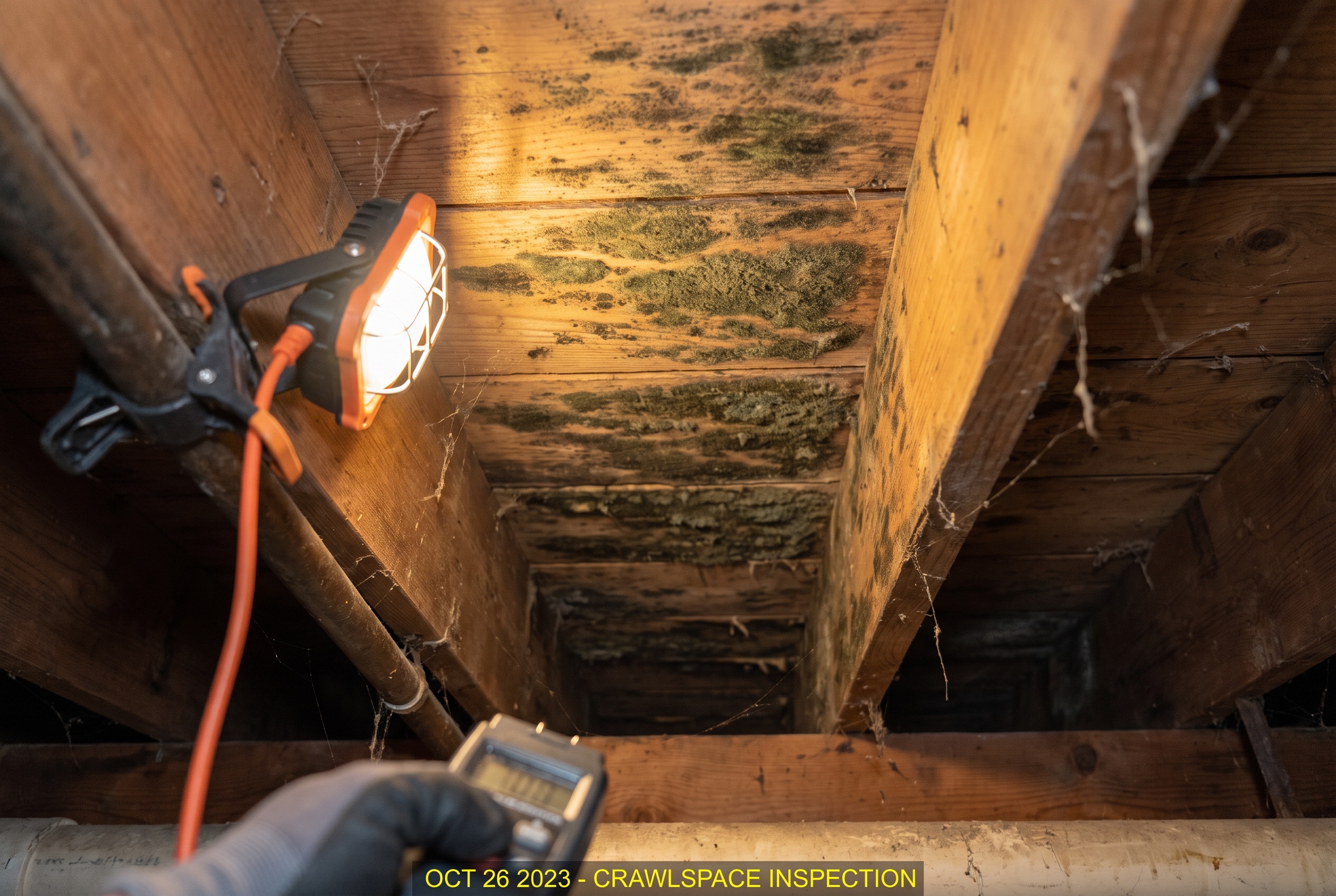
First, it’s usually growing on structural wood. Floor joists, sill plates, and support beams are the primary surfaces mold colonizes in a crawl space, and those aren’t materials you can just wipe down and move on. When mold establishes itself in wood, it’s feeding on the material itself. Depending on how long it’s been there and how aggressive the growth is, the wood may have lost some structural integrity along with the surface contamination.
Second, the crawl space feeds air directly into the living space above it through the stack effect. Mold spores and mycotoxins in the crawl space don’t stay in the crawl space. They get pulled upward into the home continuously, which is why people in houses with significant crawl space mold often notice respiratory symptoms, worsening allergies, or a persistent musty smell on the first floor well before they’ve ever looked under the house. The EPA notes that mold exposure can cause a range of health effects depending on the type of mold and the sensitivity of the individual, and a crawl space is one of the more efficient delivery systems for getting mold into the air people breathe daily.
Third, and most importantly, crawl space mold is almost always a symptom of a moisture problem rather than the problem itself. Treating the mold without addressing the moisture is the single most common reason crawl space mold comes back after remediation. The conditions that allowed it to grow in the first place are still there.
What Crawl Space Mold Removal Actually Involves
Professional crawl space mold remediation isn’t a single step. It’s a sequence, and each part of it matters.
Inspection and assessment. Before any work starts, the extent of the mold growth needs to be mapped out. This means getting into the crawl space and looking at all accessible surfaces, the joists, sill plates, rim joists, support posts, and any insulation or vapor barrier material. The inspection should also assess the moisture conditions: whether there’s standing water, what the humidity level is, whether there’s active water intrusion, and where it’s coming from. A remediation plan built without that information is guesswork.
Containment. In cases of significant mold growth, containment measures are set up to prevent spores from spreading to other parts of the house during the remediation process. This typically involves sealing the crawl space access point and using negative air pressure equipment to keep disturbed spores from migrating upward. It’s a step that gets skipped by less thorough contractors and is a reasonable thing to ask about when evaluating who you hire.
Removal of contaminated materials. Any materials that can’t be effectively cleaned have to come out. Insulation is the most common example. Fiberglass batt insulation that has mold growth in it cannot be remediated in place, it has to be removed and disposed of. The same applies to any vapor barrier material that’s contaminated. Trying to clean these materials rather than remove them is a shortcut that doesn’t work.
Treatment of affected wood surfaces. The wood framing itself is treated using antimicrobial agents designed for porous surfaces. This typically involves wire brushing or mechanical abrasion to remove surface mold growth, followed by application of a biocide or encapsulant rated for wood remediation. The goal is to kill active mold and prevent regrowth on the treated surfaces. In cases where wood decay has gone beyond surface contamination, the damaged structural members may need to be replaced entirely, which is a separate but related scope of work that ties into crawl space structural repair.
Addressing the moisture source. This is the part that separates a real fix from a temporary one. If the crawl space is still getting wet, still has open vents pumping in humid summer air, or still has a failed vapor barrier letting ground moisture evaporate into the space, the mold will return. Remediation that doesn’t include a plan for moisture control is incomplete by definition. Depending on what the inspection found, this might mean installing or replacing a vapor barrier, adding a dehumidifier, improving drainage, or moving forward with full crawl space encapsulation. In Hampton Roads, where the baseline humidity is high and many crawl spaces deal with groundwater pressure from a high water table, encapsulation is often the right long-term answer rather than a partial fix.
How Bad Does It Have to Be Before It’s a Professional Job?
The EPA’s general guidance is that mold covering more than ten square feet warrants professional remediation. In a crawl space, that threshold is almost always exceeded by the time someone actually notices the problem, because crawl spaces go uninspected for years and mold spreads along joist bays continuously once it establishes. It’s not unusual to find growth spanning most of the accessible framing in a home that’s had uncontrolled moisture for a few seasons.
Beyond square footage, the type of surfaces involved matters. Mold on wood framing in a confined space with limited air circulation is not a DIY job for most homeowners. The exposure risk during disturbance is real, the equipment needed to do it properly, respirators rated for mold remediation, protective suits, negative air machines, is specialized, and the likelihood of missing areas or leaving conditions that allow regrowth is high without professional training and experience.
If you’ve found what looks like a small isolated patch, it’s still worth having it assessed before doing anything. What looks small from the access point often extends further than it appears once someone is fully inside the space.
What to Ask Before Hiring a Mold Remediation Contractor
Not every contractor who offers crawl space mold removal approaches it the same way. A few questions worth asking before you commit to anyone:
Do they inspect the moisture source before starting, and does their proposal include a plan to address it? If the answer is that they’ll just treat the mold and leave the moisture situation for you to figure out separately, that’s a flag.
What do they do with contaminated insulation and vapor barrier material? If the answer is clean it in place rather than remove it, ask why.
What treatment products are they using on the wood, and are those products rated for mold remediation on porous surfaces? Bleach, which is what a lot of DIY guides recommend, doesn’t penetrate wood effectively and isn’t a substitute for professional-grade biocides on structural framing.
Do they offer any follow-up or warranty on the work? A contractor confident in their process should be willing to stand behind it.
At Hawk, our crawl space mold removal process includes a thorough inspection, proper containment, removal of contaminated materials, treatment of affected framing, and a clear recommendation for what moisture control measures need to follow. We don’t treat the symptom and leave the cause. Schedule a free inspection here and we’ll give you a straight assessment of what’s in your crawl space and what it would take to fix it properly.
Frequently Asked Questions
How quickly does mold grow in a crawl space?
Under the right conditions, mold can begin establishing itself within 24 to 48 hours of a moisture event. A crawl space that flooded during a storm and didn’t dry out quickly is at real risk of mold growth within days. The open, unfinished surfaces of wood framing provide exactly the organic material mold needs, and a humid, poorly ventilated crawl space provides the moisture and temperature conditions. This is part of why addressing water intrusion quickly after a storm matters beyond just the immediate water damage.
Can mold in the crawl space make my family sick?
It can, particularly for people with respiratory conditions, allergies, or sensitivities to mold. The stack effect means crawl space air circulates into the living space continuously, carrying mold spores and mycotoxins with it. Symptoms associated with mold exposure include respiratory irritation, worsening asthma, chronic congestion, headaches, and fatigue. Not everyone in the same house will react the same way, but children, elderly individuals, and anyone with existing respiratory issues are generally more vulnerable. If household members are experiencing unexplained respiratory symptoms and the crawl space hasn’t been inspected recently, it’s worth putting those two things together.
Do I need to leave my home during crawl space mold remediation?
For minor remediation with proper containment, it’s often not necessary. For significant mold growth requiring extensive work and disturbance of large areas of contaminated material, temporarily vacating during the active work is the safer option, particularly for anyone with respiratory sensitivities. A professional contractor should give you a clear recommendation based on the scope of work before the job starts, not after.
Will mold come back after remediation?
It will if the moisture problem that caused it isn’t fixed. Mold remediation removes the existing growth and treats the surfaces, but mold spores are present everywhere in the environment. Given the right conditions, specifically sustained moisture above roughly 60 percent relative humidity, mold will re-establish on any organic surface. A properly remediated crawl space paired with effective moisture control, whether that’s encapsulation, a dehumidifier, improved drainage, or some combination, creates an environment where mold can’t get a foothold again. The remediation and the moisture fix are two parts of the same solution.