2530 Centerville Turnpike S, Chesapeake, VA 23322

Planning an Addition? Why Helical Piers Beat Concrete Footings in Hampton Roads


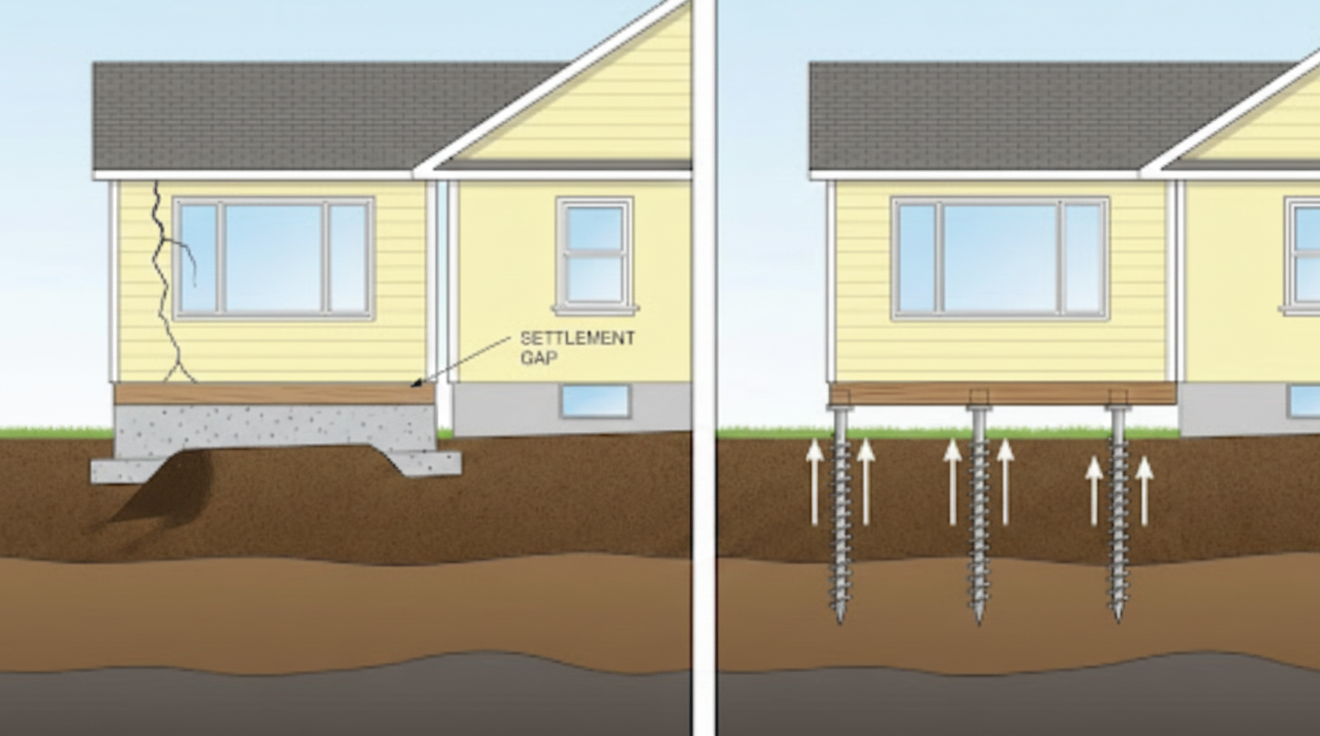
Are you planning to add a sunroom or a master suite to your Chesapeake home? Before you pour a single yard of concrete, you need to consider the “settlement gap.” In Hampton Roads, standard concrete footings are often insufficient for new additions, leading to the new structure pulling away from the original home within just a few years.


The Problem with Shallow Footings

Standard footings sit in the “active zone” of the soil—the top few feet where moisture levels fluctuate. Because your original home has had decades to settle, and your new addition is fresh, they will settle at different rates. This leads to cracked drywall and leaking roofs where the two structures join.


The Helical Pier Advantage: Prevention over Cure

Helical piers are steel shafts with screw-like plates that are bored deep into the ground until they reach stable, load-bearing strata.

  • Deep Anchor: They bypass the “active” clay soil entirely.
  • One-Day Installation: We can often install the piers for a new addition in a single day.
  • Immediate Loading: Unlike concrete, which needs days to cure, helical piers can support weight immediately.


By choosing helical piers for your addition, you are ensuring that your new space remains perfectly level with your original home for the life of the structure. It is the ultimate “Prevention over Cure” investment for any Hampton Roads homeowner.


A Firefighter’s Guide to Structural Safety Precision in the “Rescue” Mentality


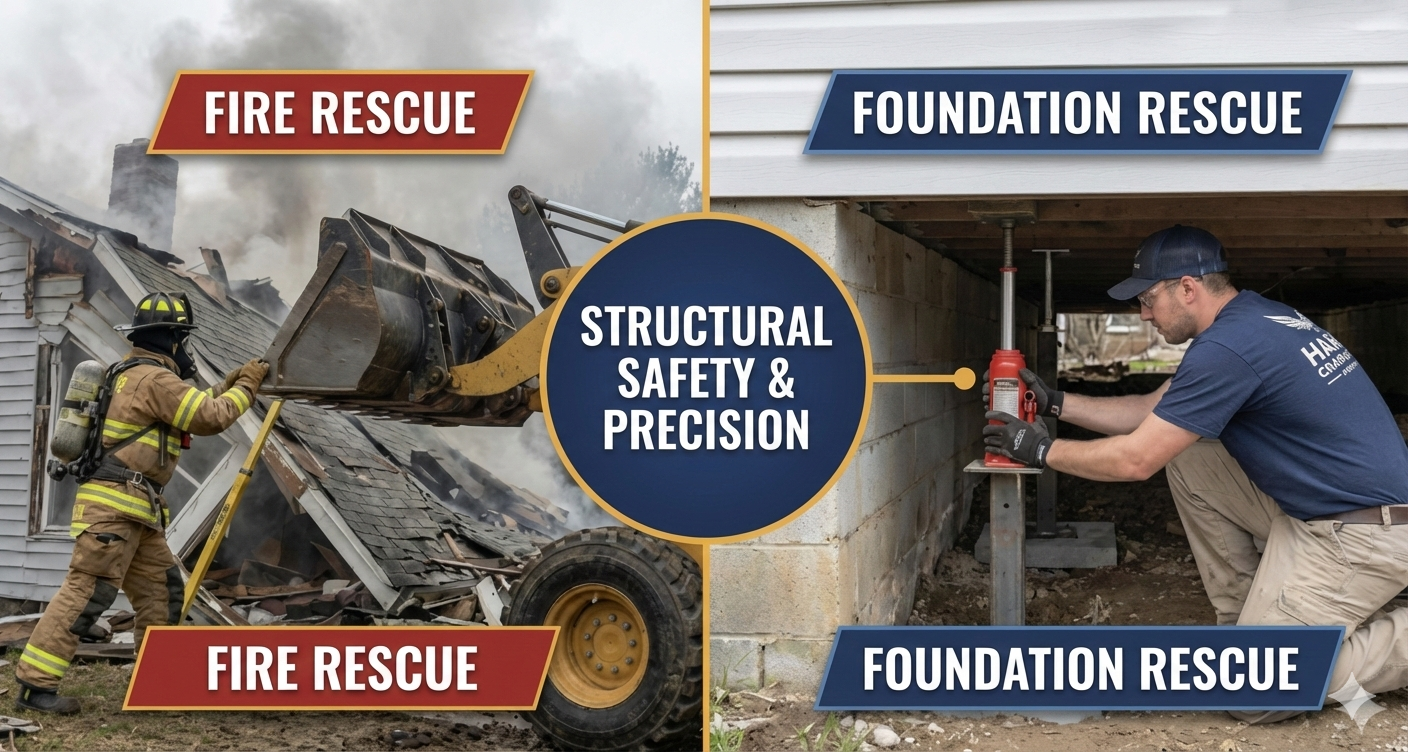
When you hire a foundation contractor, you are trusting someone with the very skeleton of your home. At Hawk Crawlspace and Foundation Repair, that trust is built on a foundation of service. Our owner, Robert Brant, spent 21 years as a Norfolk Fire Captain, and that experience defines every “rescue” we perform on a sinking home.


The Technical Rescue Lens

In the fire service, a “Technical Rescue” involves stabilizing a collapsed or burning structure to make it safe for entry. It requires an obsession with physics, load-bearing points, and structural integrity under duress. Robert brings this same “Safety First” mentality to residential repair.

While a standard contractor might look for the quickest fix, a firefighter looks for the safest and most permanent solution. We view a sagging floor or a cracked foundation not just as a job, but as a structure in need of stabilization.


A Culture of Excellence

This background has fostered a unique culture within our team:

  • Precision: We measure in fractions of an inch, not “close enough.”
  • Integrity: We provide honest assessments, even if the “fix” is simpler than you feared.
  • Service: We treat your home with the respect it deserves, knowing it is your family’s primary sanctuary.


When your home is in trouble, you don’t just need a contractor—you need a team trained to stabilize the situation with the precision of a rescue operation.


Cracks in the Wall? 5 Signs Your Foundation Needs Immediate Repair


Every house “settles.” As the soil beneath your home shifts with the changing Virginia seasons—from our humid summers to our wet winters—it is normal for the structure to adjust slightly. However, there is a very fine line between natural settling and a foundation failure that threatens your home’s safety and value.

At Hawk Crawlspace & Foundation Repair, we see homeowners every day who aren’t sure if that new crack in the living room is a cosmetic nuisance or a structural emergency. To help you protect your biggest investment, we’ve put together the five most critical signs that your foundation needs professional attention.


  1. The Dreaded “Stair-Step” Crack

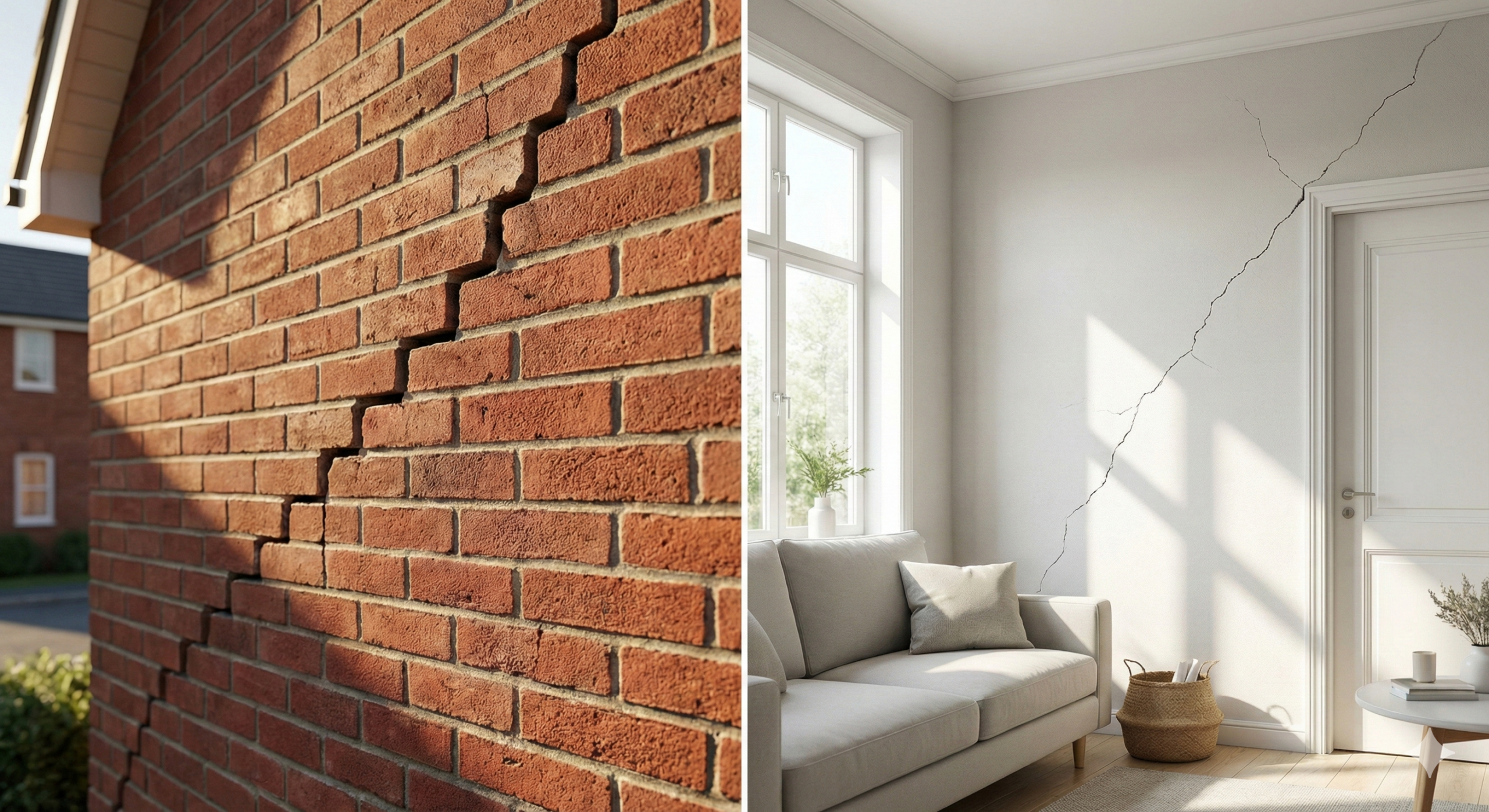
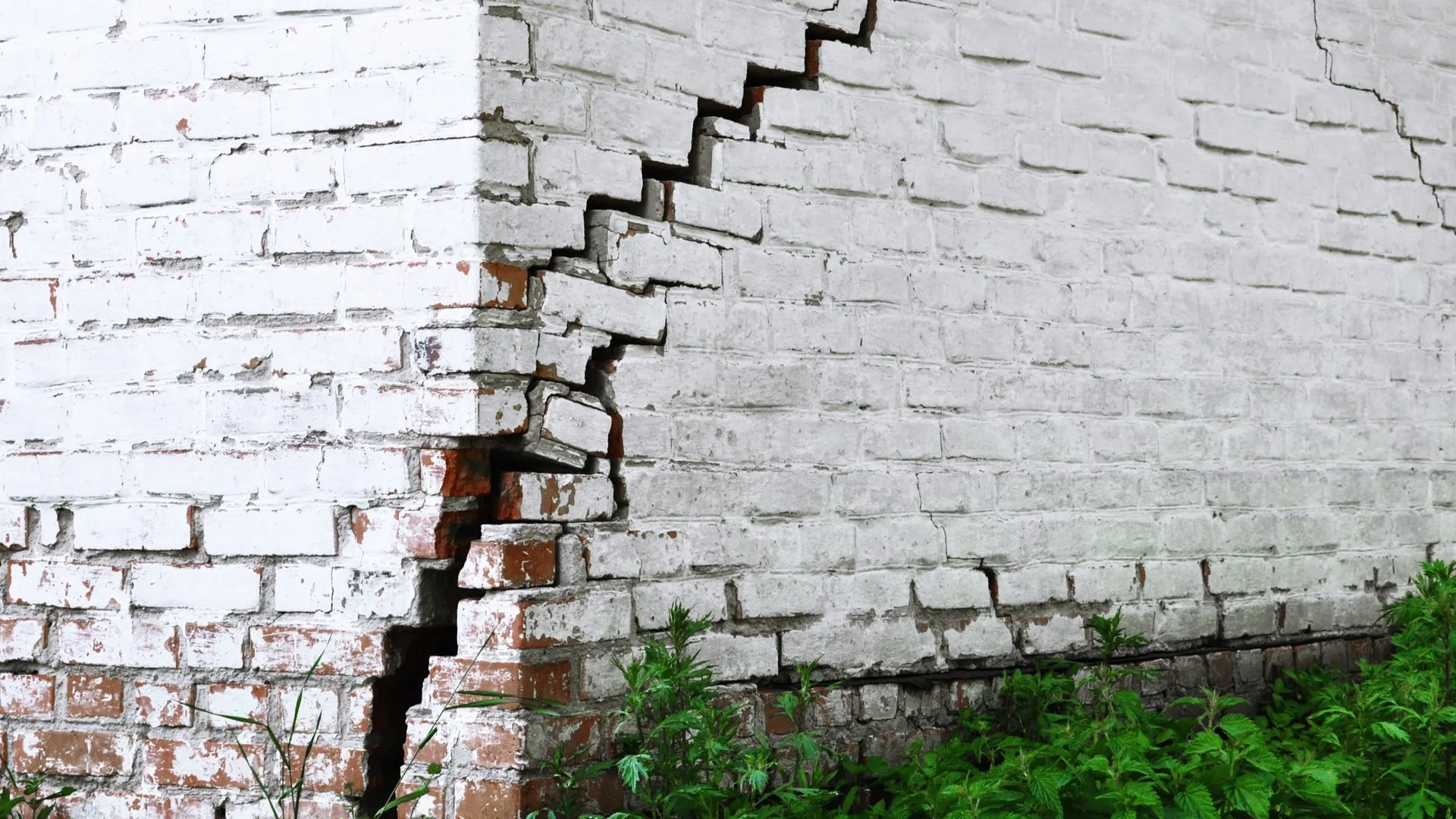
If you have a brick or concrete block exterior, pay close attention to the joints. A vertical crack might just be a sign of minor expansion, but a stair-step crack—one that follows the mortar lines up and across like a set of stairs—is a major red flag. This usually indicates that one corner of your home is sinking faster than the rest, a process known as differential settlement.


  1. Doors and Windows That “Stick”

Have you noticed a door that suddenly won’t latch? Or a window that requires two people to pry open? When your foundation shifts, it pulls the house’s frame out of “square.” Even a fraction of an inch of movement can warp a door or window frame, causing it to stick. If you see diagonal cracks radiating from the upper corners of these frames, the house is literally pulling itself apart at its weakest points.


  1. Horizontal Cracks in the Basement or Crawl Space

In the world of basement crack repair, not all cracks are created equal. Vertical cracks are often caused by the concrete shrinking as it cures. However, horizontal cracks are much more serious. These are typically caused by hydrostatic pressure—the weight of water-saturated soil pushing against your foundation walls. If left untreated, these walls can eventually “bow” inward or collapse entirely.


  1. Sloping or Bouncy Floors

Your floors should be level. If you feel like you’re walking slightly “downhill” in the kitchen, or if you notice a gap between your baseboards and the floor, your support system is failing. In many Virginia homes, this is caused by moisture in the crawl space weakening the wooden floor joists. We often remedy this using foundation jacks to provide the necessary lift and stabilization.


  1. Separating Chimneys or Porches

Because chimneys and porches are often built on a separate foundation “pad” from the rest of the house, they are often the first things to show signs of trouble. If you see a gap forming between your chimney and the siding, or if your front porch seems to be pulling away from the main structure, the soil underneath is no longer supporting the weight.


Why You Can’t Afford to Wait

Foundation problems are like a toothache—they never get better on their own, and the “medicine” only gets more expensive the longer you wait. A small crack today can be fixed with basement waterproofing or simple injections. A foundation that has shifted two inches may require helical pier installation to pin the house to stable bedrock.


Get a Professional Perspective

At Hawk Crawlspace & Foundation Repair, we believe in honesty first. Not every crack needs a $20,000 fix. Sometimes, all you need is better gutter drainage or a vapor barrier. But you won’t know until an expert takes a look.

As a local company led by a Norfolk Firefighter, we treat your home’s safety with the same urgency we treat our own. We offer free, no-obligation inspections across Chesapeake and Hampton Roads.

Is your home trying to tell you something? Don’t ignore the signs. Call Hawk Crawlspace & Foundation Repair at 757-908-2362 or click HERE to schedule your free inspection today.

The Chesapeake Clay Cycle: How Regional Soil Impacts Foundation Integrity


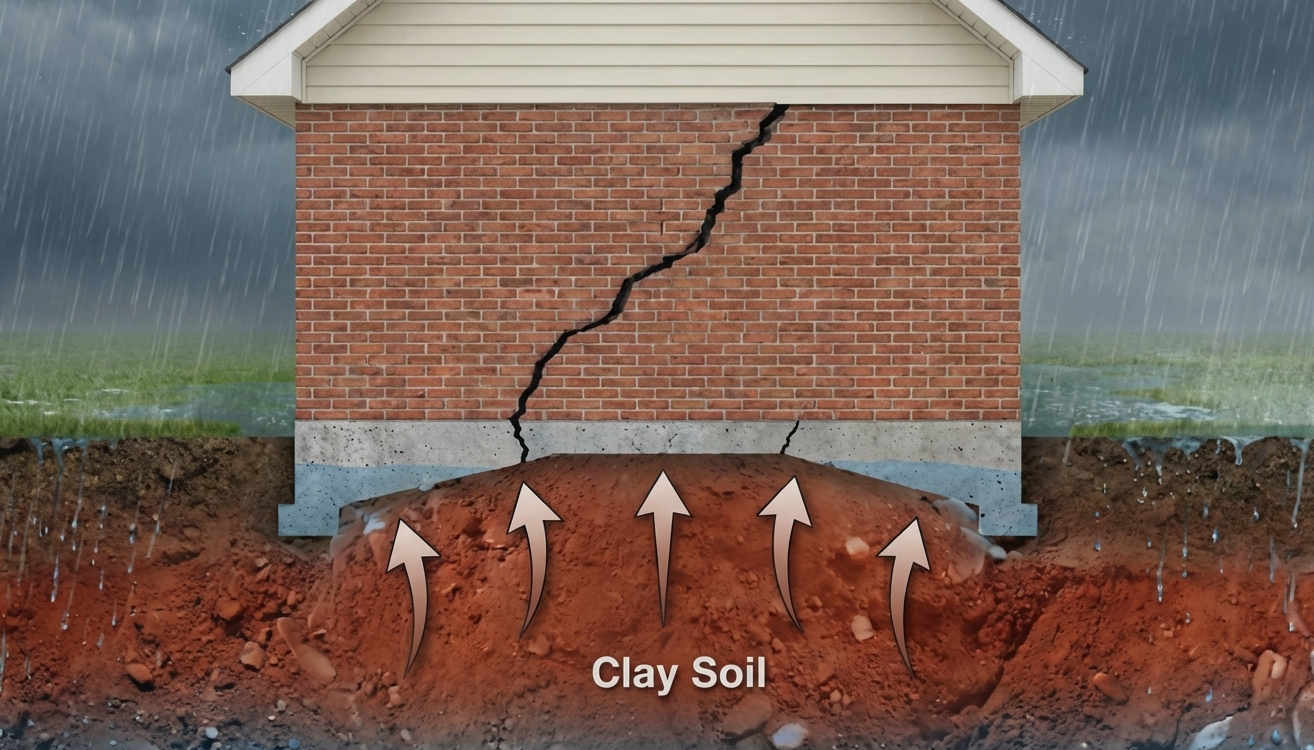
If you live in Chesapeake or Suffolk, you aren’t just living on dirt; you’re living on a geological sponge. The Tidewater region is notorious for its high concentration of expansive clay. For homeowners, this soil creates a relentless “swell-and-shrink” cycle that acts as a slow-motion wrecking ball for traditional shallow foundations.


The Science of “Soil Heave”

When our heavy Virginia rains arrive, the clay particles in the ground absorb water and expand significantly. This creates hydrostatic pressure—a massive force of water-saturated soil pushing against your crawlspace walls. When the soil expands upward, it’s known as “soil heave.” Conversely, during our humid but dry summer stretches, the clay shrinks, leaving voids beneath your footings.


The Signature of Damage

This constant movement is more than the house “settling.” It is structural fatigue. You’ll often see the evidence in your home’s exterior:

  • Diagonal “Step” Cracks: These typically appear in brickwork, following the mortar lines in a stair-step pattern.
  • Sticking Doors and Windows: When the foundation shifts, the frames become trapezoids rather than rectangles.
  • Gaps in Trim: Crown molding or baseboards pulling away from the wall.


At Hawk Crawlspace and Foundation Repair, we understand that you can’t change the soil, but you can change how your home interacts with it. By stabilizing your foundation with deep-foundation solutions, we help your home remain “the rock” even when the ground beneath it is anything but.


Foundation Repairs Services: Protecting Your Home from the Ground Up

When it comes to keeping your home safe, stable, and structurally sound, nothing matters more than a strong foundation. Over time, moisture, soil shifting, poor drainage, and natural aging can cause your foundation to weaken or crack. That’s why investing in Foundation Repairs Services is essential for any homeowner who wants long-term peace of mind. At Hawk Crawlspace & Foundation Repair, we understand how stressful foundation issues can be—and we’re here to make the repair process simple, reliable, and affordable.

Why Foundation Problems Should Never Be Ignored

Your foundation is literally the base of your home. Even small issues can escalate into major structural damage if left untreated. Common warning signs include:

    • Cracks in walls or floors
    • Doors and windows that won’t open or close properly
    • Uneven or sloping floors
    • Gaps around trim or baseboards
  • Moisture or water leaks in the basement or crawl space

While these signs may seem minor at first, they often indicate deeper structural problems. Professional Foundation Repairs Services can catch these issues early and prevent them from turning into costly repairs down the road.

What Causes Foundation Damage?

Foundation issues can develop for many reasons, and understanding the cause helps determine the best repair solution. Some of the most common causes include:

Soil Movement

Expanding and contracting soil, especially in areas with clay-heavy ground, puts pressure on your foundation. Over time, this movement can cause cracking or bowing.

Poor Drainage

If water is pooling around your home, it can weaken the foundation, wash away soil, and create dangerous shifts.

Tree Roots

Large trees planted too close to a home can cause soil displacement or absorb too much moisture from the surrounding ground.

Improper Construction

Homes built on poorly compacted soil or with inadequate support often develop foundation problems sooner than expected.

At Hawk Crawlspace & Foundation Repair, we start every project with a comprehensive inspection to identify the exact cause of the problem and recommend the most effective repair method.

How Hawk Crawlspace & Foundation Repair Fixes Foundation Issues

We believe every home deserves strong, lasting support. That’s why our Foundation Repairs Services include a range of solutions designed to stabilize your structure and prevent future problems.

  1. Foundation Piering

We use steel or helical piers to stabilize and lift sinking foundations. These piers reach deep into stable soil layers, providing long-term support.

  1. Wall Stabilization

For bowing or leaning basement walls, we install wall anchors or carbon fiber straps to restore strength and prevent further movement.

  1. Crawl Space Support Posts

If your floors feel bouncy or uneven, our adjustable support jacks and reinforced beams can restore stability.

  1. Crack Repairs & Waterproofing

Sealing cracks and improving your home’s drainage system helps prevent water infiltration and protects your foundation from moisture damage.

Every repair is tailored to your home’s unique needs, ensuring long-lasting results and a stress-free experience..

Protect Your Home Today

If you’ve noticed any signs of foundation trouble or just want a professional opinion, it’s time to schedule an inspection. Investing in Foundation Repairs Services today can save you thousands tomorrow. Let Hawk Crawlspace & Foundation Repair protect your home from the ground up.

Your home’s safety starts with a strong foundation. And we’re here to keep it standing strong for years to come.