2530 Centerville Turnpike S, Chesapeake, VA 23322

Planning an Addition? Why Helical Piers Beat Concrete Footings in Hampton Roads


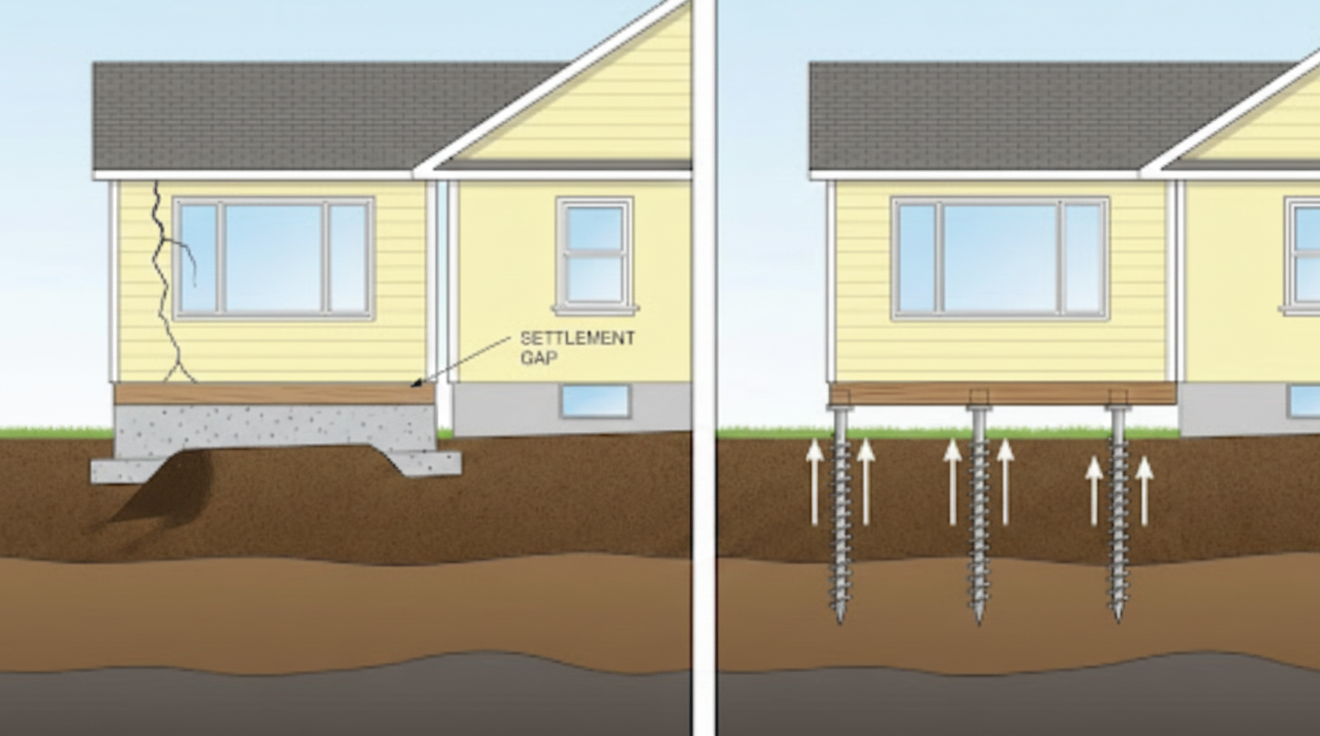
Are you planning to add a sunroom or a master suite to your Chesapeake home? Before you pour a single yard of concrete, you need to consider the “settlement gap.” In Hampton Roads, standard concrete footings are often insufficient for new additions, leading to the new structure pulling away from the original home within just a few years.


The Problem with Shallow Footings

Standard footings sit in the “active zone” of the soil—the top few feet where moisture levels fluctuate. Because your original home has had decades to settle, and your new addition is fresh, they will settle at different rates. This leads to cracked drywall and leaking roofs where the two structures join.


The Helical Pier Advantage: Prevention over Cure

Helical piers are steel shafts with screw-like plates that are bored deep into the ground until they reach stable, load-bearing strata.

  • Deep Anchor: They bypass the “active” clay soil entirely.
  • One-Day Installation: We can often install the piers for a new addition in a single day.
  • Immediate Loading: Unlike concrete, which needs days to cure, helical piers can support weight immediately.


By choosing helical piers for your addition, you are ensuring that your new space remains perfectly level with your original home for the life of the structure. It is the ultimate “Prevention over Cure” investment for any Hampton Roads homeowner.



A Firefighter’s Guide to Structural Safety Precision in the “Rescue” Mentality


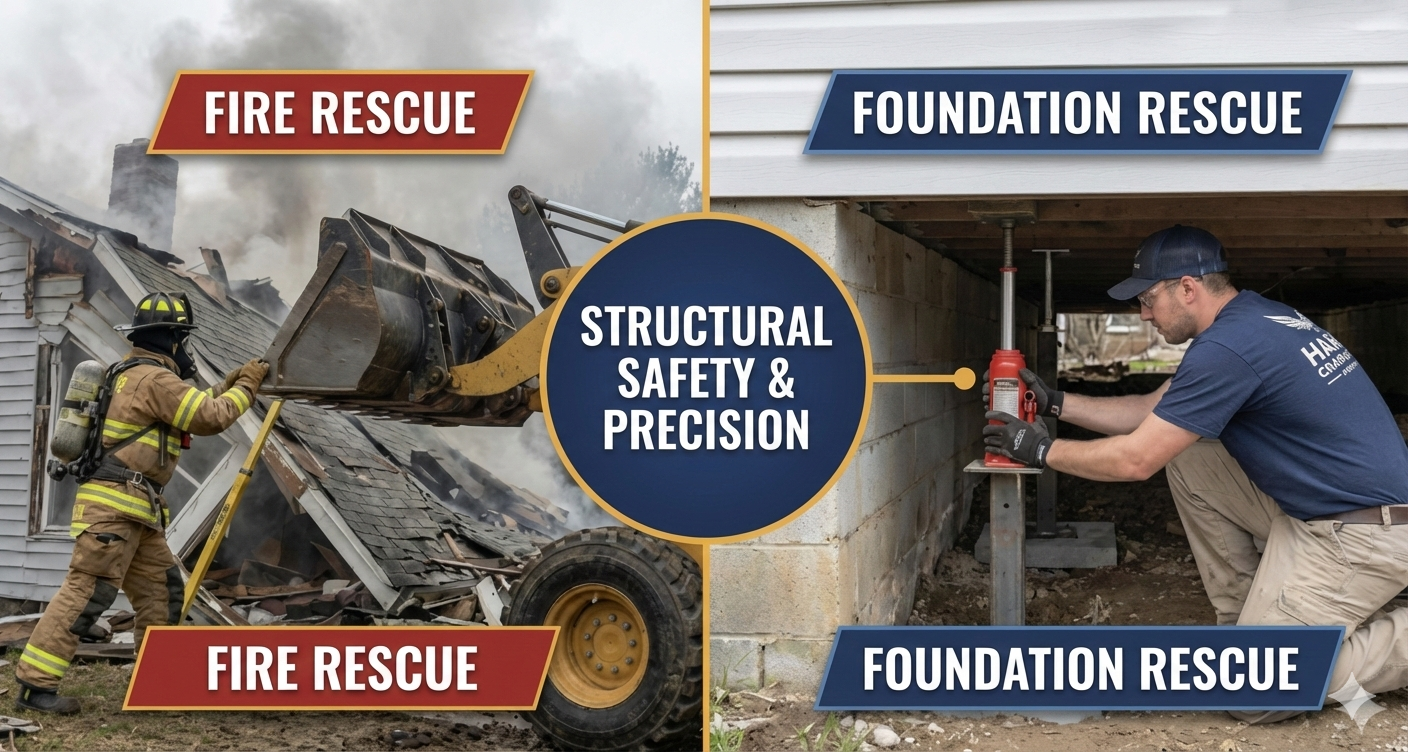
When you hire a foundation contractor, you are trusting someone with the very skeleton of your home. At Hawk Crawlspace and Foundation Repair, that trust is built on a foundation of service. Our owner, Robert Brant, spent 21 years as a Norfolk Fire Captain, and that experience defines every “rescue” we perform on a sinking home.


The Technical Rescue Lens

In the fire service, a “Technical Rescue” involves stabilizing a collapsed or burning structure to make it safe for entry. It requires an obsession with physics, load-bearing points, and structural integrity under duress. Robert brings this same “Safety First” mentality to residential repair.

While a standard contractor might look for the quickest fix, a firefighter looks for the safest and most permanent solution. We view a sagging floor or a cracked foundation not just as a job, but as a structure in need of stabilization.


A Culture of Excellence

This background has fostered a unique culture within our team:

  • Precision: We measure in fractions of an inch, not “close enough.”
  • Integrity: We provide honest assessments, even if the “fix” is simpler than you feared.
  • Service: We treat your home with the respect it deserves, knowing it is your family’s primary sanctuary.


When your home is in trouble, you don’t just need a contractor—you need a team trained to stabilize the situation with the precision of a rescue operation.


The Chesapeake Clay Cycle: How Regional Soil Impacts Foundation Integrity


If you live in Chesapeake or Suffolk, you aren’t just living on dirt; you’re living on a geological sponge. The Tidewater region is notorious for its high concentration of expansive clay. For homeowners, this soil creates a relentless “swell-and-shrink” cycle that acts as a slow-motion wrecking ball for traditional shallow foundations.


The Science of “Soil Heave”

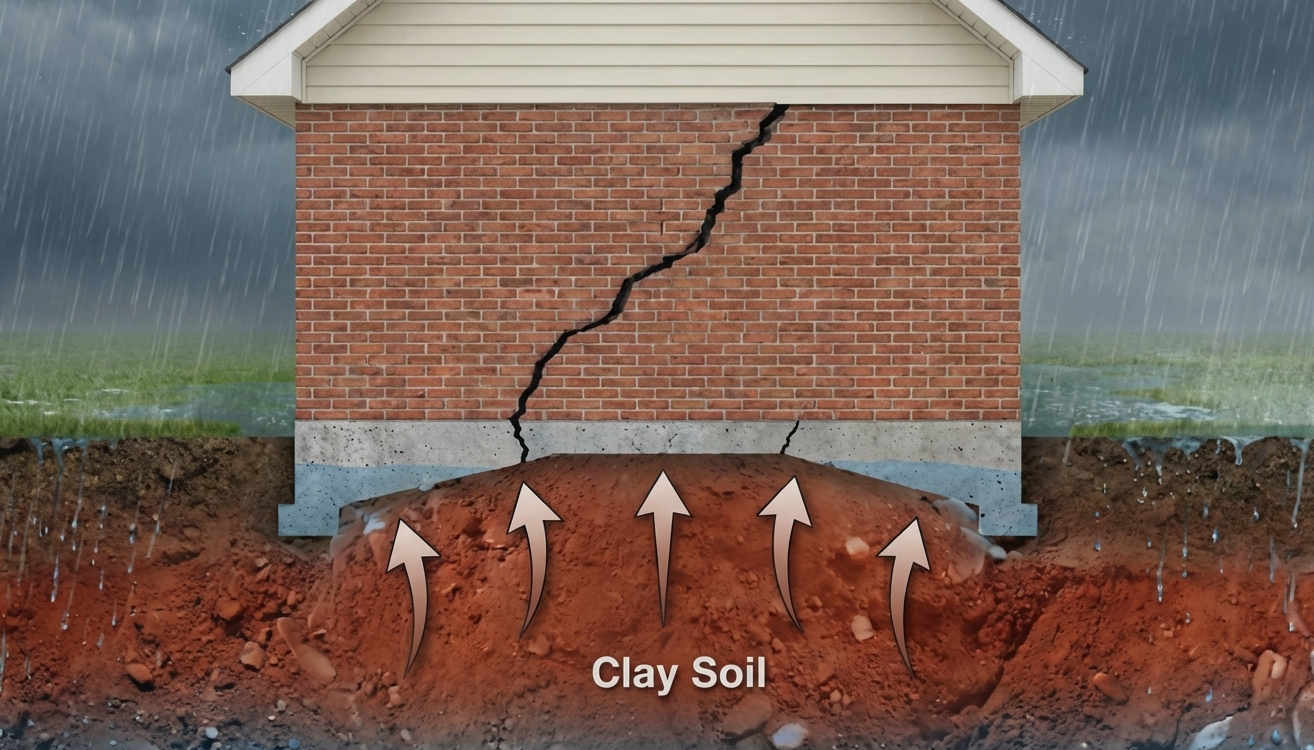
When our heavy Virginia rains arrive, the clay particles in the ground absorb water and expand significantly. This creates hydrostatic pressure—a massive force of water-saturated soil pushing against your crawlspace walls. When the soil expands upward, it’s known as “soil heave.” Conversely, during our humid but dry summer stretches, the clay shrinks, leaving voids beneath your footings.


The Signature of Damage

This constant movement is more than the house “settling.” It is structural fatigue. You’ll often see the evidence in your home’s exterior:

  • Diagonal “Step” Cracks: These typically appear in brickwork, following the mortar lines in a stair-step pattern.
  • Sticking Doors and Windows: When the foundation shifts, the frames become trapezoids rather than rectangles.
  • Gaps in Trim: Crown molding or baseboards pulling away from the wall.


At Hawk Crawlspace and Foundation Repair, we understand that you can’t change the soil, but you can change how your home interacts with it. By stabilizing your foundation with deep-foundation solutions, we help your home remain “the rock” even when the ground beneath it is anything but.